Weatherproof Eyes on Your Property Year-Round
Security cameras have a hard life in Gippsland. One week you get hot, dry days with harsh sun, then the next week heavy rain, coastal salt air, fog, and winter frosts settle in. Outdoor cameras sit in all of it, every single day.
Standard off-the-shelf cameras are usually built for mild suburbia, not the mix of coastal wind, farm dust, and icy mornings we see across East Gippsland and the Latrobe Valley. They often fog up, crack, leak, or corrode long before they should. When that happens, you are left with blurry images or a dead camera right when you actually need clear footage.
We want to help you avoid that. In this guide we share what to look for when choosing security cameras for harsh Gippsland weather, based on what we see out on local homes, farms, and business sites. The aim is simple, cameras that stay clear, stable, and recording all year round.
How Gippsland Weather Really Impacts Your Cameras
Gippsland throws a lot at outdoor gear. Along the coast you get strong winds and salt spray. Inland you see heavy downpours, cold fog sitting in the valleys, and hard frosts through winter. In summer, the sun can be intense and dry, and the temperature can swing quickly from hot days to cool nights.
Each of these conditions can slowly break down a camera if it is not built for it. Common problems include:
- Condensation building up inside the housing and behind the lens
- UV damage on cheap plastics, making them brittle or faded
- Rust on brackets, screws, and exposed metal points
- IR light bouncing off fog, dust, rain, or spider webs at night
Fog, mist, and frost are especially tricky. The camera body is slightly warm when running, so it attracts insects and spiders. Webs across the lens catch the infrared light and cause bright white glare that hides everything else. Water getting into cable joins or connectors can cause random dropouts that only show up during heavy rain or storms.
If you ignore these issues, you can end up with cameras that look fine from the ground but give you:
- Blurry or washed out footage right when an incident happens
- Shorter camera life and more frequent replacements
- Gaps in coverage when storms hit and power or data lines are stressed
Choosing the right hardware from the start helps avoid all of that.
Weather Ratings and Build Quality You Should Demand
A good place to begin is the IP rating on the camera. IP stands for Ingress Protection, which tells you how well the camera is sealed against dust and water. For most exposed outdoor spots in Gippsland, we generally recommend:
- IP66 for strong protection against heavy rain and wind-blown dust
- IP67 if the camera might cop constant spray or sit in very exposed areas
Higher IP ratings give you more confidence that water will not sneak into the housing or connectors during a storm.
Build quality is just as important. When you are comparing cameras, pay close attention to:
- Housing materials, look for corrosion-resistant metals and UV-stable plastics
- Sealed cable glands where leads enter the camera or junction box
- Solid brackets and fixings that can handle gusty coastal winds and farm machinery vibration
Temperature range matters too, especially in frost-prone valleys and shaded areas that stay cold and damp. Some cameras can be paired with small internal heaters or blowers. These help:
- Stop lenses fogging on cold mornings
- Keep moisture from condensing inside the housing
- Reduce ice build-up in very exposed sites
If a spot on your property is known for heavy frost, thick fog, or constant shade, it is worth choosing hardware that is designed to handle those conditions.
Features That Keep Your Footage Clear in Tough Conditions
Weather sealing keeps the camera alive, but smart imaging features keep the picture useful. Gippsland often has grey skies, low sun angles in winter, and a lot of contrast between dark trees and bright sky or headlights. To handle that, we usually suggest looking for:
- True WDR (wide dynamic range) to balance bright and dark areas in the same scene
- Strong low light performance so the camera does not rely only on IR at night
- Smart infrared that adjusts power to cut down glare in fog, smoke, and rain
Higher resolution helps when you are looking through drizzle, dust, or fine rain. A clear lens and a decent sensor give you a better chance of reading number plates or recognising faces at a distance, even when the weather is not perfect.
Useful extras include:
- Protective housings and sunshields to shade the lens from low winter sun
- Smart analytics that can ignore moving trees, rain, and small animals
- Adjustable IR ranges to avoid bright white hotspots close to the camera
These features all work together to keep the image usable, rather than just technically recording.
Placement, Cabling and Power That Survive the Elements
Even the best camera will struggle if it is put in the wrong place. When we design systems around East Gippsland and the Latrobe Valley, we think about how the weather hits each wall, roofline, and driveway.
A few simple placement ideas help a lot:
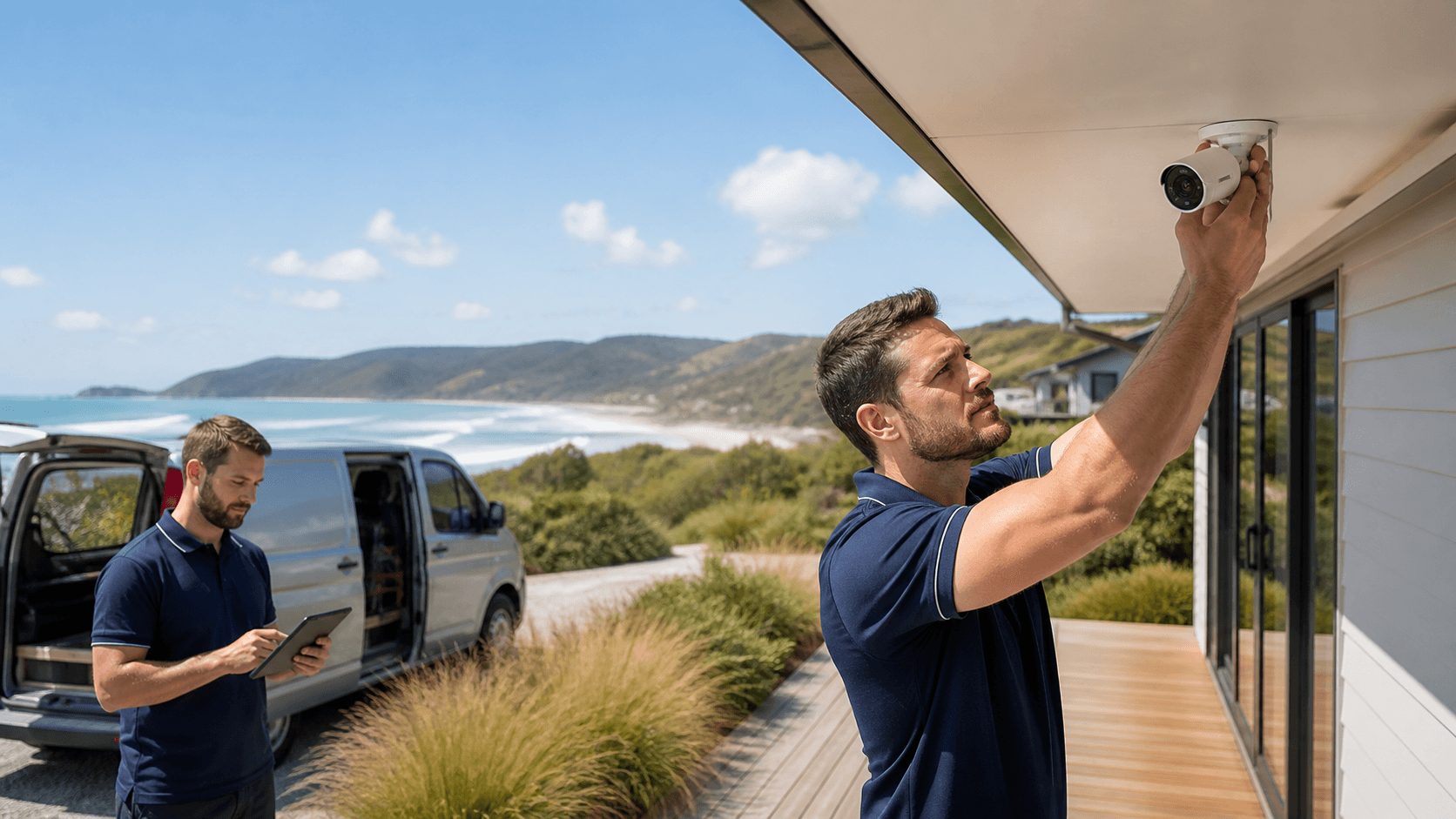
- Mount cameras slightly under eaves or awnings where possible
- Avoid spots that face straight into strong coastal wind or spray
- Angle cameras to reduce direct low winter sun into the lens
- Keep them away from areas where gutters overflow or sprinklers hit regularly
Cabling and connections are another weak point in harsh weather. Outdoor runs usually need:
- UV rated external cable that will not crack in the sun
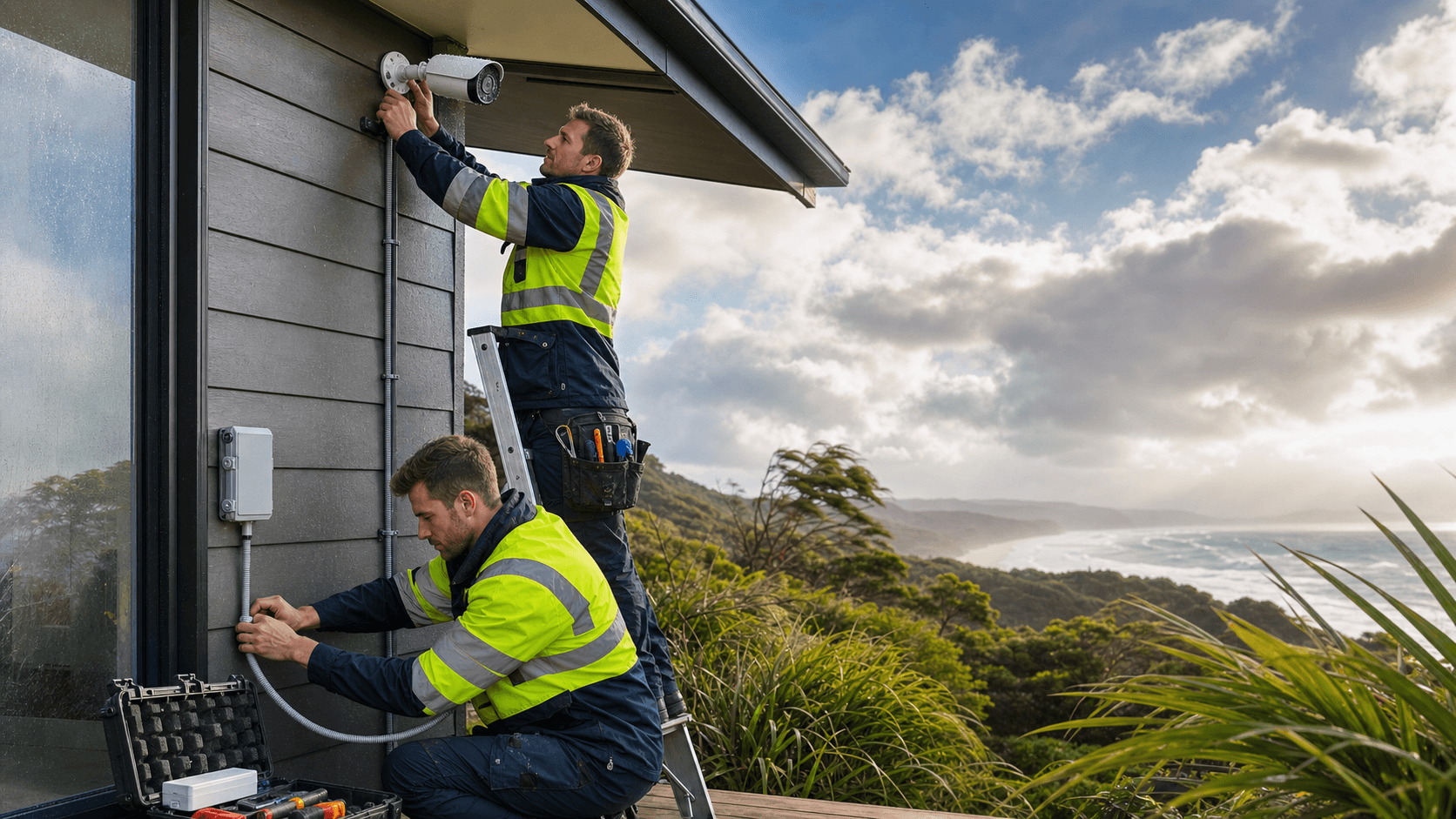
- Protected junction boxes with sealed lids and glands
- Surge protection to help during lightning and grid spikes
- Cables fixed neatly so wind and wildlife cannot pull on them
Power and networking choices matter more in remote or exposed places. Where we can, we often lean toward PoE, so power and data share one solid cable back to a secure switch. Wi‑Fi can work in some setups, but strong wind, metal sheds, and long distances can make it less reliable.
On rural sites or areas with patchy internet, Starlink or other rural links can feed a recording system back to the cloud or to a phone app. The aim is to design a setup that stays online as much as possible, even when storms roll through.
Local Support to Keep Your System Storm Ready
Local knowledge helps a lot when it comes to picking and caring for security cameras. Gippsland has its own mix of coastal and alpine weather, long gravel driveways, and hard-working sheds that are very different to a simple city home. A local, licensed provider understands where cameras usually fail in this region and what hardware stands up better over time.
A simple seasonal maintenance routine makes a big difference. Many property owners find it helpful to:
- Do a quick check around mid winter and again before the peak of summer
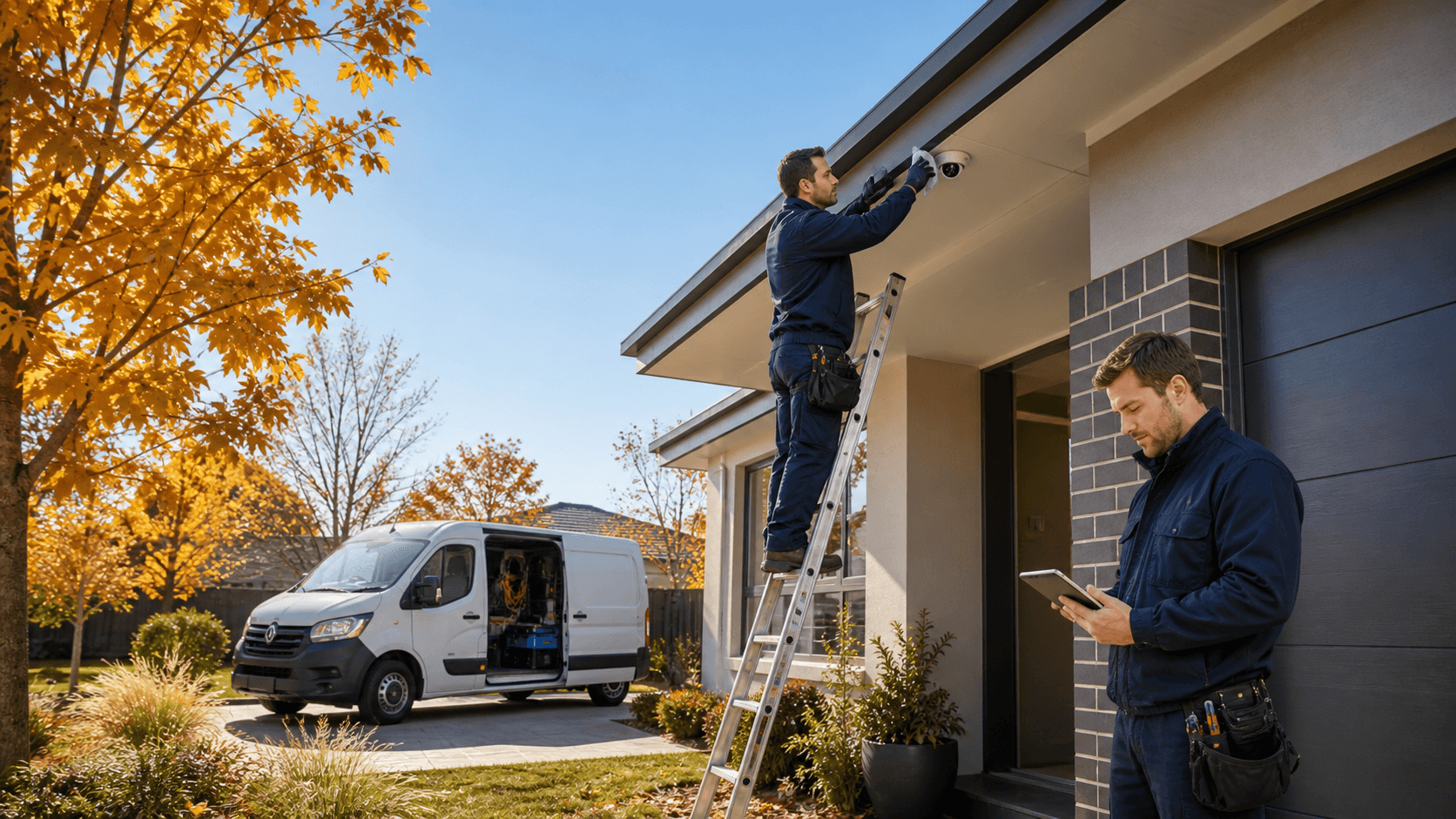
- Gently clean lenses and housings to remove dust, salt, webs, and insects
- Check seals, cable entries, and junction boxes for any signs of water
- Tighten brackets and mounts after strong winds
- Test night vision, motion alerts, and recording to be sure everything still works correctly
By pairing the right weather-rated cameras with smart placement, strong cabling, and local support, your system is more likely to stay clear and working when Gippsland weather is at its roughest. EastTech Solutions works across East Gippsland and the Latrobe Valley to design and install security cameras, alarms, networking, Starlink setups, and IT support that suit local homes, farms, and businesses, and that hold up in real Gippsland conditions.
Strengthen Your Security With Tailored Camera Solutions Today
If you are ready to improve visibility across your home or business, our team can design and install security cameras that fit your space and budget. At EastTech Solutions, we listen to how you use your property so we can recommend practical coverage, not just more hardware. Reach out to contact us and we will walk you through the next steps, from site assessment to installation and ongoing support.