See More, Worry Less: Why CCTV Upgrades Matter
Good security cameras are there to quietly get on with the job, so it is easy not to notice when they stop keeping up. CCTV technology has moved ahead quickly in the last decade, and many systems in Gippsland homes are now giving grainy footage, dropping out in bad weather, or simply not covering the whole property. If something happens at your front gate, driveway, shed, or workshop, you want clear video you can actually use, not a blurry shape in the dark.
In East Gippsland and the Latrobe Valley, larger blocks, long driveways, and multiple sheds are common. Older cameras were never really designed for this style of property, especially when you add in gum trees, dust, sea air, and patchy internet. Modern CCTV upgrades give clearer pictures, easier access from your phone, better deterrence and a calmer feeling that the family, pets and any home-based work gear are better protected.
Signs Your Current CCTV System Is Letting You Down
A lot of Gippsland homeowners only realise their CCTV is outdated when they need to replay an incident. Older analogue systems often show their age at night, when you get:
- Blurry or grainy footage that makes faces and number plates hard to identify
- Washed-out bright spots, like sensor lights or car headlights, that hide what you actually need to see
- Cameras that struggle in fog, heavy rain or under strong porch lights
Hardware problems are common too. We see cameras that leak in heavy storms, lose focus after years in hot sun, or simply stop working when the wind has blown dust into every gap. This is especially noticeable around sheds, garages and back doors that cop the weather.
Then there is the day-to-day frustration. Many people tell us they put up with:
- Recorders that are confusing to use or buried in a cupboard
- Slow, clunky playback that makes it hard to find the right time and date
- No reliable way to view cameras from Melbourne, while away travelling, or even just from the bedroom
Behind those frustrations sit real security gaps. Analogue cameras may only record to a small hard drive, so older footage gets overwritten quickly. Some systems cannot send alerts, do not integrate with modern alarms or Wi-Fi, and give no simple way to share clips with police or insurers. All of this adds up to a setup that looks like security but may not actually be doing the job.
What Modern CCTV Upgrades Actually Include
A proper CCTV upgrade is not just swapping one camera for another. Modern systems use IP (network-based) cameras that give high-definition video and much more control. You can expect:
- Sharper picture quality so you can clearly see faces, vehicles and details
- Wider viewing angles to cover larger areas with fewer cameras
- Better low-light and infrared performance so night-time footage is useable
- Weather-rated housings that cope with coastal air, heat, dust and storms
On top of the hardware, smart features are now standard in many upgraded systems. Instead of constant, messy motion alerts, you can set motion zones and smarter detection that focuses on what actually matters, such as people or vehicles. Many systems support:
- Mobile alerts when someone enters a set area
- People and vehicle detection to cut down false alarms from pets or trees
- Flexible storage, whether that is on a network video recorder (NVR) or in secure cloud options
Because cameras now sit on your home network, integration is a big part of the upgrade. We can link cameras to your existing Wi-Fi, mesh network or new data cabling so they stay stable, even across long Gippsland driveways or between the house and outbuildings. On properties with Starlink or other rural internet, a solid network setup makes remote viewing far more reliable.
How CCTV Upgrades Work in Gippsland Homes
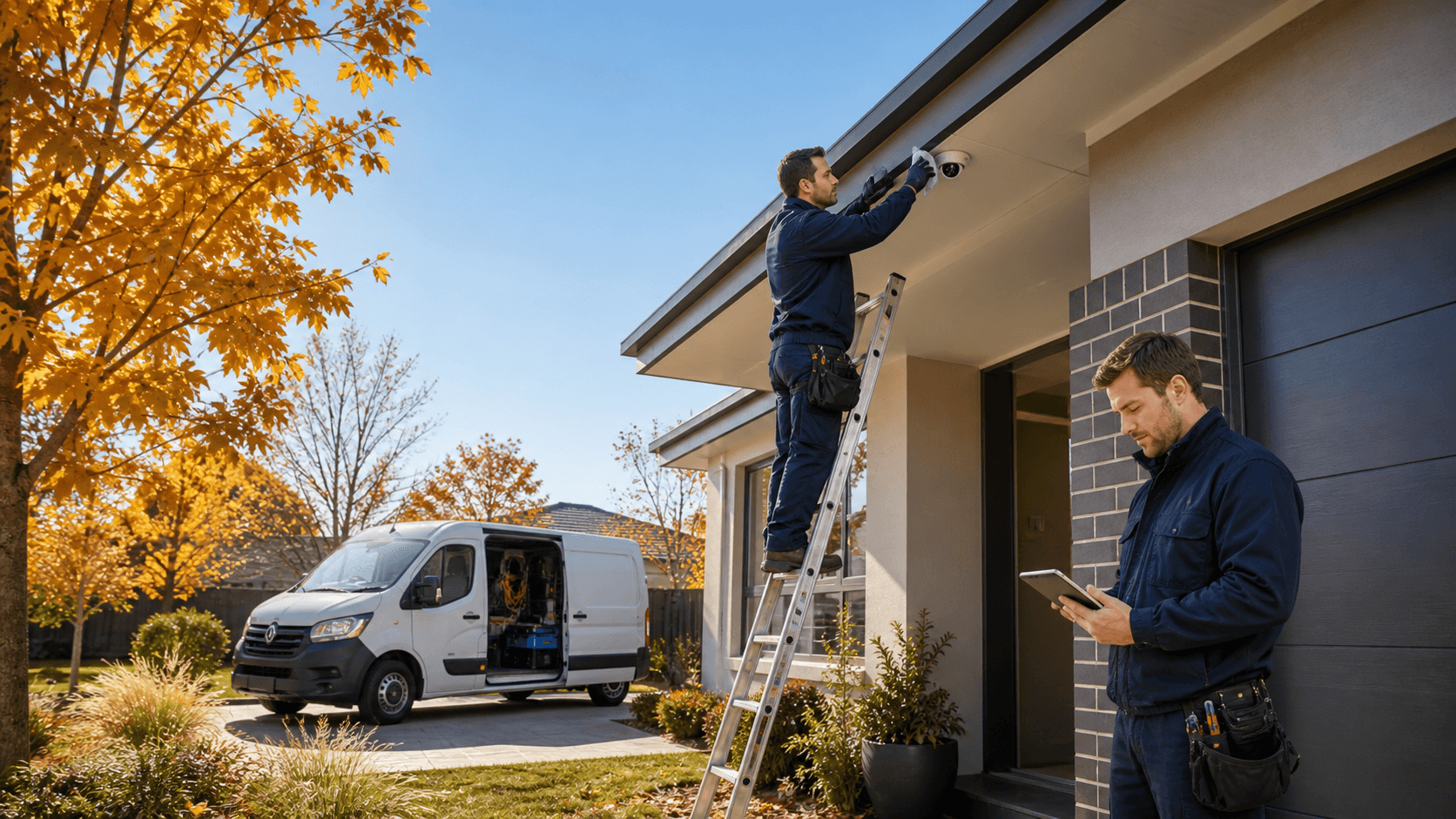
When we upgrade CCTV in local homes, we start with an on-site assessment. We walk the property with you, review your current cabling and cameras, check where they are pointed, and ask about any past issues. Together we map out risk areas such as entries, sheds, walkways, gates and spots where vehicles are parked. From there, we put together a clear plan and quote so you know what is changing and why.
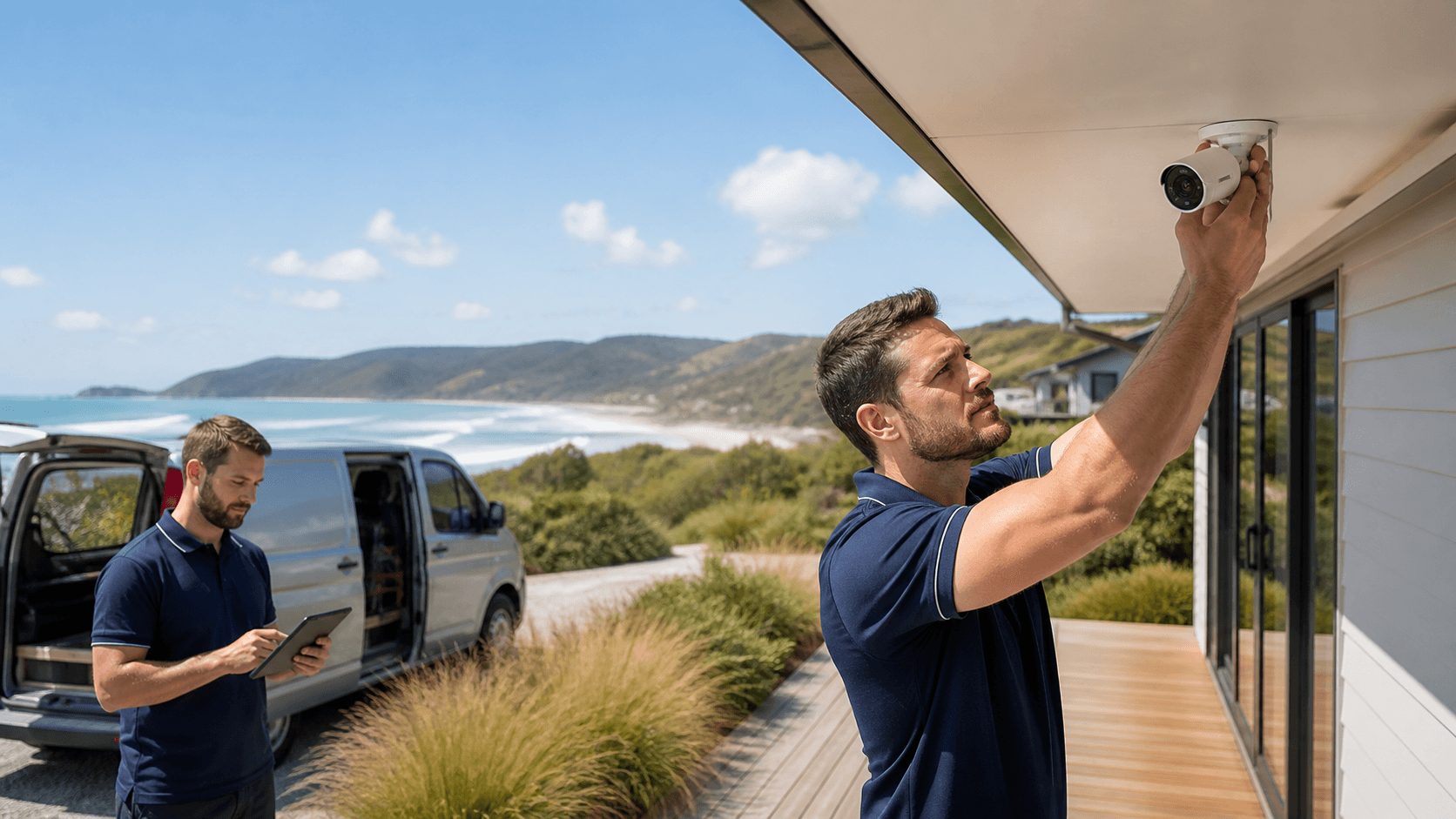
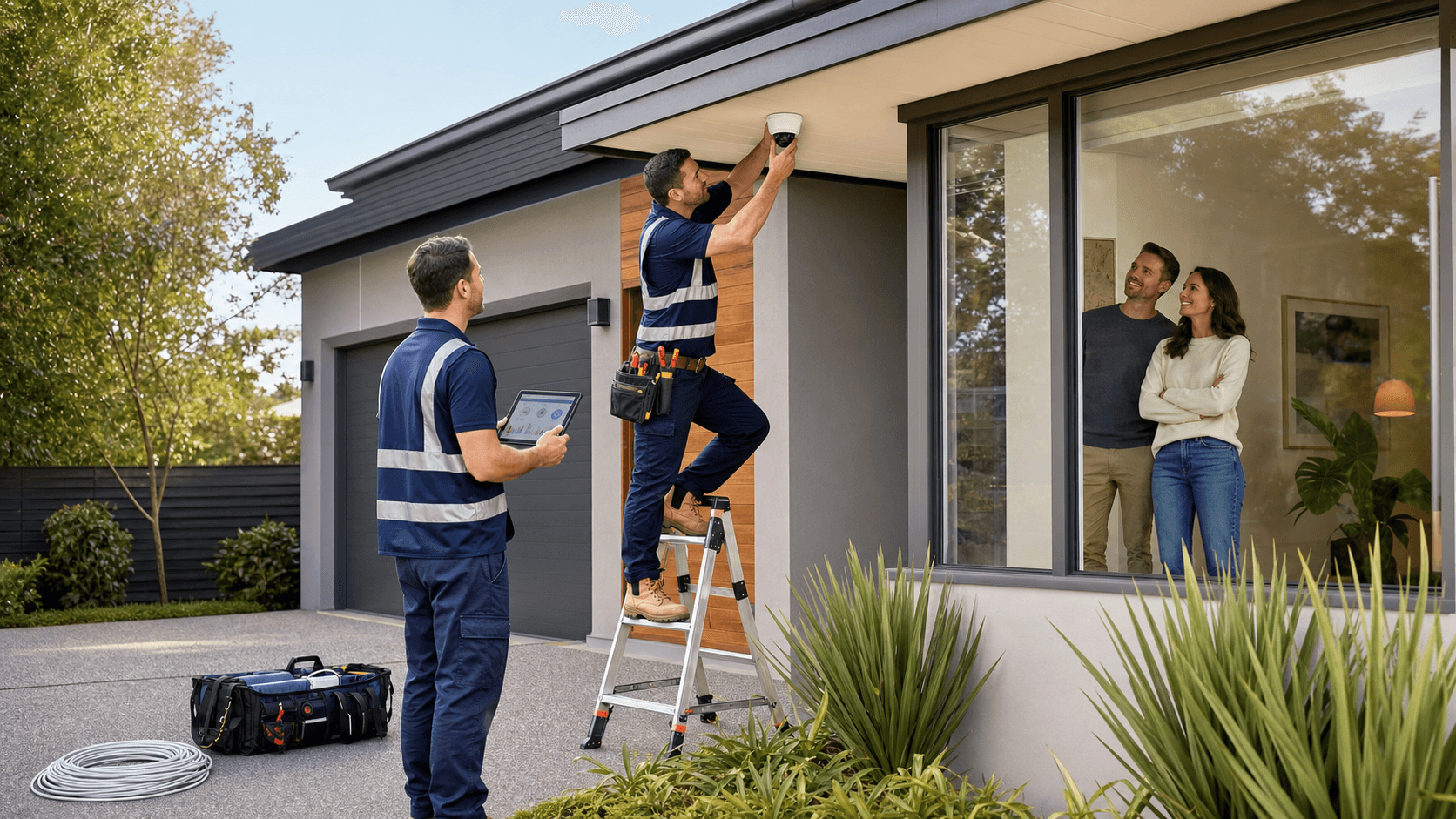
On installation day, the focus is on getting coverage right and keeping disruption low. That usually includes:
- Running or reusing cabling to reach the best camera positions
- Mounting cameras at suitable heights to avoid easy tampering
- Setting up or upgrading the NVR and connecting to your internet or Starlink
- Checking image quality and angles from each camera before we finish
Inside the home, we aim to keep drilling and visible cabling to a minimum, talking through options as we go. At the end, we set up the viewing apps on phones and tablets, create logins for different family members if needed, and show you how to review footage, export clips and manage alerts. The goal is that you feel confident using the system without needing a technical background.
Getting the Best Coverage for Local Conditions
Gippsland properties vary a lot, but we see common patterns in how intruders move. Good planning means thinking like someone trying to get in without being noticed. That often includes placing cameras to cover:
- Long driveways and entrances from the street or main road
- Sheds, workshops and garages where tools and equipment are stored
- Paddock gates, side access paths and less-used doors
- Rural mailboxes or parcel drop points that sit away from the house
Local weather and environment play a big part in gear choice. Cameras near the coast or in open, windy paddocks need higher weatherproof ratings. In storm-prone or bushfire-risk areas, we pay attention to surge protection, cable routes and power backup options so the system stays reliable when you need it most. Simple things like the direction of the afternoon sun, reflection off corrugated iron, or nearby trees can also affect how a camera performs, so we factor those in.
CCTV is strongest when it is part of a bigger picture, not working alone. At EastTech Solutions, we work with alarms, safety devices, Wi-Fi networks, data cabling and Starlink connectivity, so we can design a setup where cameras, alarms and your home network all support each other. That way, you are less likely to face Wi-Fi dropouts, blind spots or half-working gear scattered across the property.
Costs, Value and Long-Term Peace of Mind
The cost of CCTV upgrades can vary, but the main factors are usually:
- How many cameras you need to cover the property properly
- Whether your existing cabling can be reused or needs replacing
- The height and difficulty of access for installation
- Any network upgrades needed for Wi-Fi or Starlink connections
While it is an investment, the value often becomes clear the first time you need to use the footage. Clear video makes it easier for police and insurers to understand what happened, when and who was involved. Modern systems can also help deter would-be intruders in the first place, since visible, high-quality cameras signal that a property is not an easy target. Fewer false alerts and fewer technical problems can mean less time spent worrying about whether everything is working.
Ongoing, CCTV systems do not need a lot of attention, but they should not be ignored either. Occasional cleaning of camera lenses, checking for cobwebs, and making sure software and apps stay up to date can keep things running smoothly. Having a local team available for support, expansion or troubleshooting means you are not stuck if something changes, such as a new shed, a moved gate or updated internet at the property. By treating CCTV as part of your long-term home setup, not just a one-off project, you can keep your Gippsland home and family better protected for years to come.
Get Started With Your Project Today
If you are ready to improve the security of your property, our team at EastTech Solutions can help you plan and implement tailored CCTV upgrades. We will assess your current setup, recommend practical improvements, and make sure everything is configured correctly from day one. To discuss your needs or request a quote, simply contact us and we will be in touch promptly.