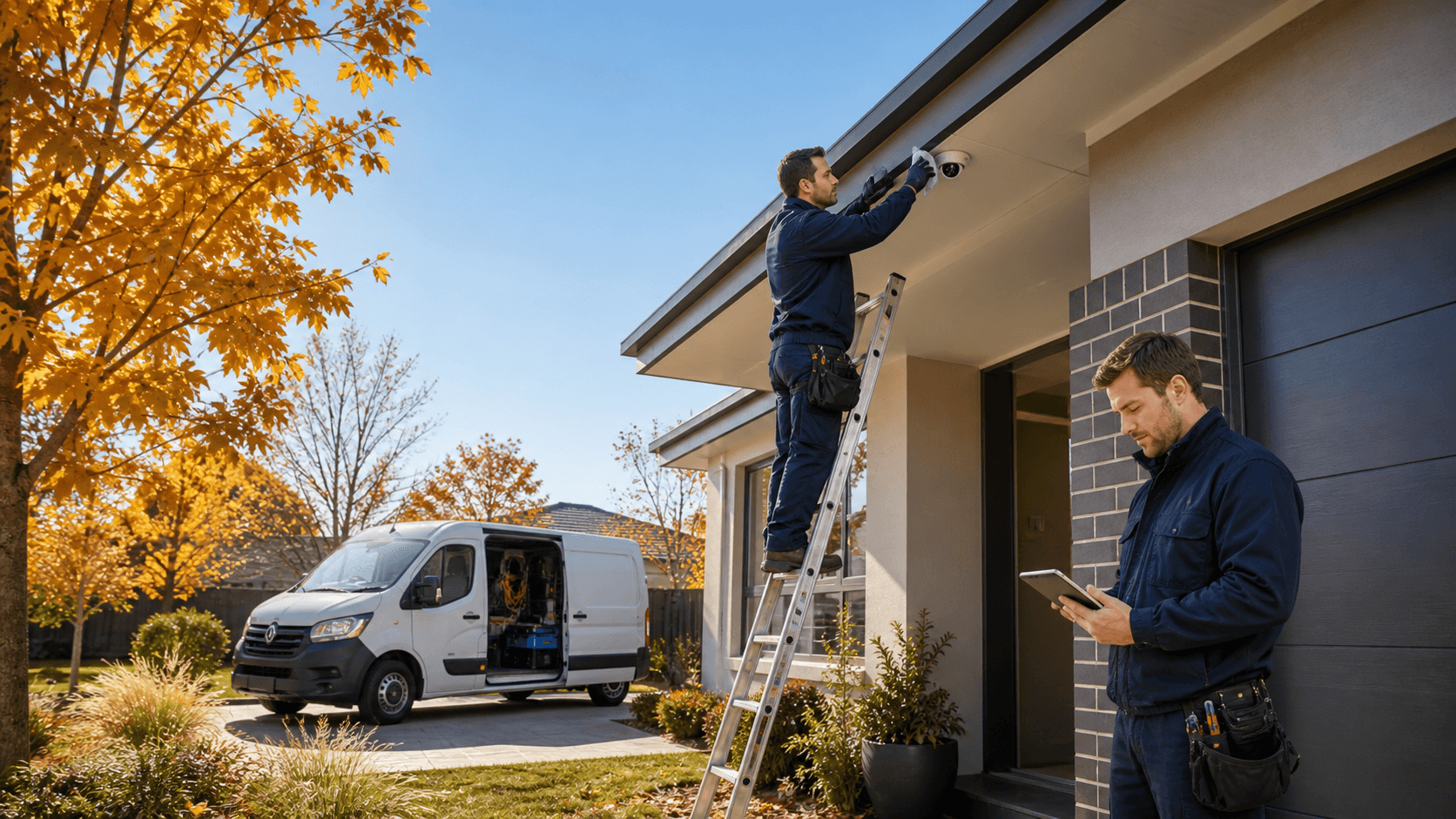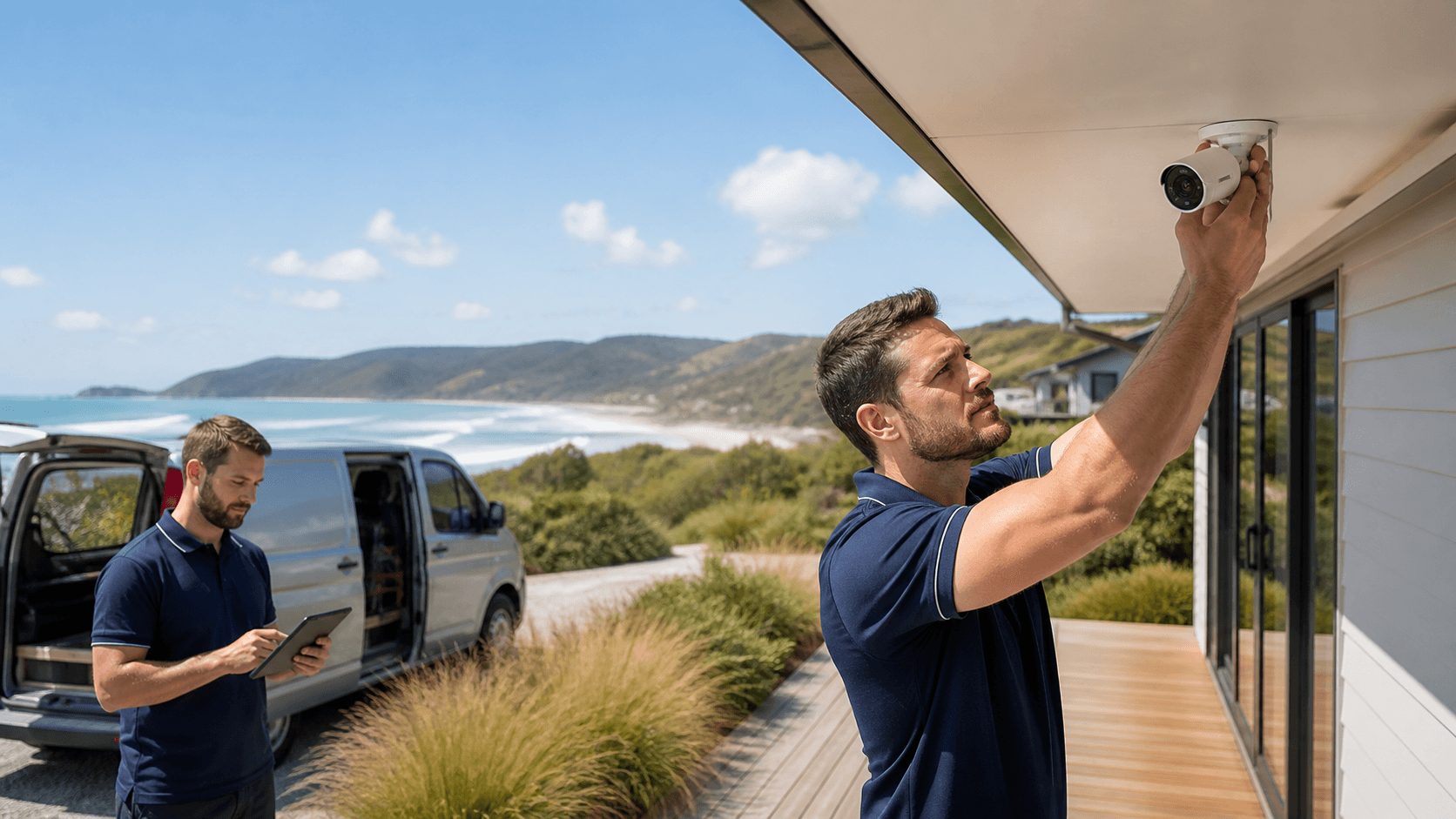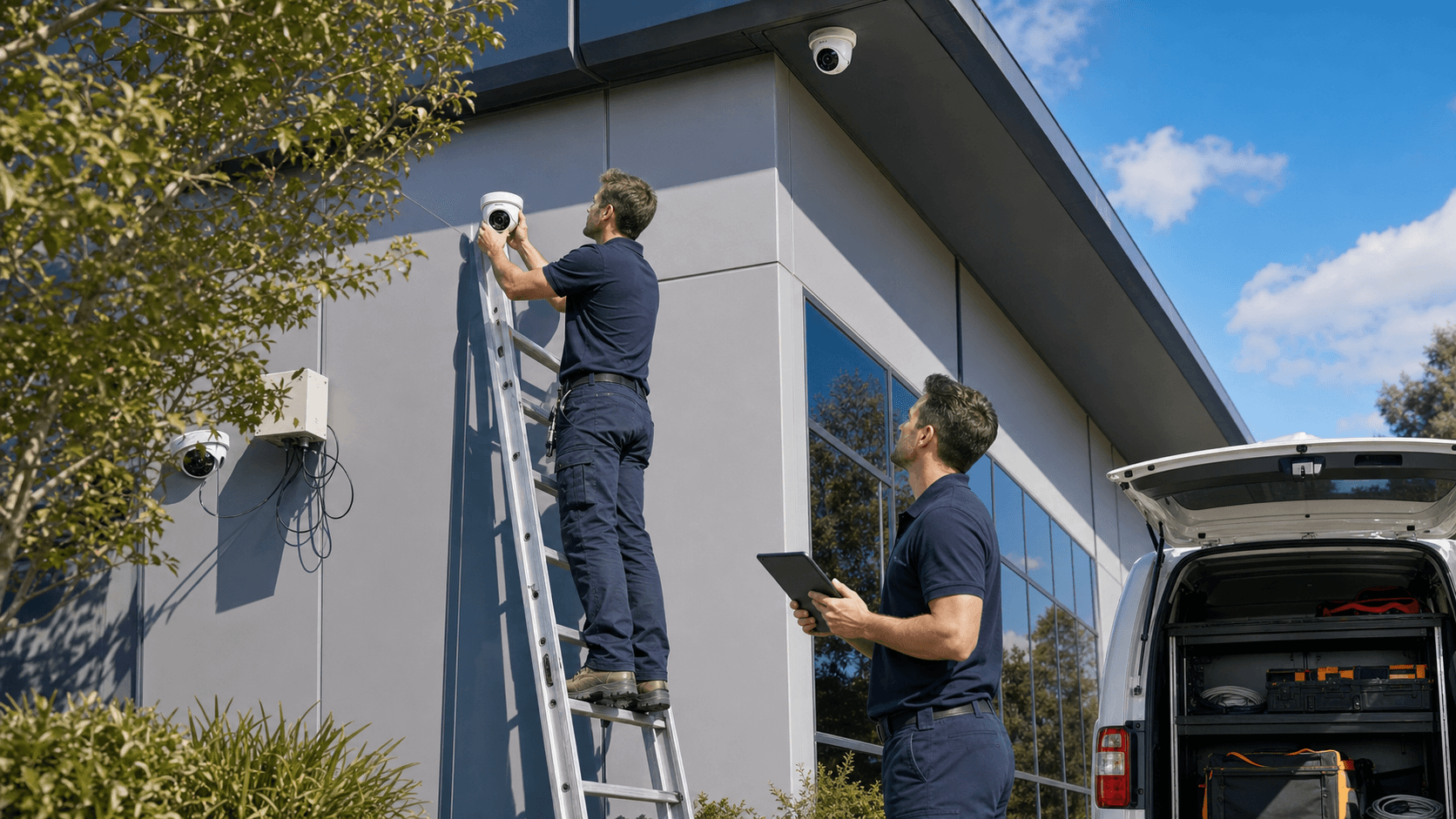
Stop Thieves Before They Start with Smarter CCTV
Good CCTV installation in Gippsland should do more than just record what happened after a break-in. Set up well, it can scare off intruders, back up insurance claims, and let you check on your home, farm, or business from anywhere. That matters even more when days are shorter, yards are darker for longer, and sheds and garages are sitting unattended.
A lot of local owners are buying decent cameras, which is a smart move. The problem is that many systems lose most of their value because of simple installation mistakes. Wrong camera positions, the wrong gear for our weather, or weak internet can leave you with blurry clips or, worse, no footage when you need it most.
At EastTech Solutions, we work across East Gippsland and the Latrobe Valley. We see what actually works in local conditions. Coastal air, foggy mornings, long farm driveways, dust and patchy internet all change how a CCTV system should be designed. Let us walk through the common CCTV installation mistakes we see around Gippsland, why they put people at risk, and what to do instead so your cameras protect you properly.
Poor Camera Placement That Misses Real Threats
One of the biggest problems is not where cameras are, but where they are not. Many systems look impressive on the house wall, but miss the spots thieves really use.
Common placement mistakes include:
- Aiming cameras at big open spaces instead of doors, gates, and driveway pinch points
- Mounting cameras too high so they see roofs and sky instead of faces and hands
- Ignoring side and rear access points that are actually easier to break into
Front doors often get one camera, then sheds, garages, and farm buildings get forgotten. Yet these are the first targets for tools, fuel, and gear. Side gates, back verandahs, and roller doors need the same attention as the front door.
Lighting is another piece many people miss. Gippsland's low sun at certain times of day can shine straight into a camera and wash out the image. If a camera faces west or east without planning, you might only get a bright white glare during key hours. The same thing happens at night if cameras sit right next to strong security lights. The light can reflect off walls, spider webs, or perspex covers and blind the sensor.
To avoid that, a good layout will:
- Check where the sun sits at different times of day
- Keep cameras slightly off to the side of strong lights, not directly under them
- Use camera positions that pick up any nearby street or yard lighting
Real-world movement also matters. People often mount cameras where they look neat and symmetrical, not where people, cars, and livestock actually move. Trees, parked cars, verandah posts, trailers, and big farm equipment can all block views without you noticing until it is too late. A proper site assessment maps out how things move around your property, then plans coverage so you see clear faces and number plates, not just silhouettes and shadows.
Choosing the Wrong Cameras for Gippsland Conditions
Not all cameras are built for paddocks, coastal air, or dusty sheds. Using the wrong type is a fast way to end up with dead gear and wasted money.
One mistake is using indoor cameras outside. Non-weatherproof bodies struggle with:
- Coastal and salty air
- Fog, frost, and regular heavy rain
- Dust and fine particles in farm sheds and workshops
Cheap plastic housings can crack or go brittle under strong UV and temperature swings. Once the casing is damaged, moisture seeps in and parts corrode. Outdoor cameras for rural and semi-rural areas need proper weather protection, sturdy housings, and secure mounting that can cope with wind and rough conditions.
Resolution and lens choice also catch people out. A feed might look fine on a small phone screen, but when police or insurers need a clear face or number plate, low resolution often falls apart. Wide-angle lenses are great to see a whole yard, but if you only have wide angles on a long driveway, anything past a short distance may be too small to identify.
A better design usually mixes:
- Wide-angle cameras for general yard or shed coverage
- Tighter lens cameras aimed at entrances and gates
- Dedicated cameras focused on vehicle areas and driveways
Night vision and power planning are just as important. Many incidents happen at night or in low light. Strong infrared and, where suitable, colour night vision make a big difference on dark rural blocks. If cameras are placed far from power or network points, people often fall back to unreliable Wi-Fi cameras or long extension leads. That can mean dropouts right when you need the footage. A planned system balances wired reliability with smart networking options where long cabling runs are tricky.
Weak Networking, Storage, and Remote Access Setup
Even good cameras will fail you if the network behind them is weak. Gippsland properties, especially on acreage, often sit right on the edge of Wi-Fi or mobile coverage.
Common network issues include:
- Wi-Fi cameras sitting just at the edge of router range
- Dropouts that cause missing clips or delayed motion alerts
- Outer buildings like sheds or gates with no proper backhaul to the main house or office
Often, people blame the camera when the real issue is the network path. With proper networking design and, where suitable, the use of modern satellite options, even far corners of a property can be covered more reliably.
Storage is another hidden trap. Many systems record only a short history before overwriting footage. If you do not notice a break-in straight away, the clips might be gone. A good plan thinks about:
- How many cameras you have
- How many days or weeks of history you want
- Whether you use local recorders, cloud backup, or both
Shops, workplaces, and rental properties may also have rules about how long footage must be kept, so storage needs to match those requirements.
Remote access is often an afterthought. Some DIY setups skip it completely, which means you can not check cameras when you are away. Others use basic, insecure logins that leave cameras open to hackers. Strong passwords, regular updates, and secure apps matter from day one. When IT and security are planned together, you can check your cameras from your phone or laptop without risking your data.
Skipping Legal, Privacy, and Maintenance Essentials
Good security is not just about gear. It also needs to fit with privacy expectations and stay working year after year.
Privacy mistakes we see include:
- Cameras pointing straight into neighbours' yards or windows
- Coverage of public footpaths that goes beyond what is reasonable
- Shared driveways where other users are recorded without any thought
While laws can be complex, there are some simple ideas to follow. Keep cameras focused on your own property as much as you can, avoid clearly private areas you do not own, and use clear signage where appropriate. Businesses and workplaces often have extra obligations around staff and customers, so they should take extra care with how recordings are handled.
Many systems also suffer from a "set and forget" mindset. Over time, cobwebs, dust, farm spray, salty air, and overgrown branches slowly ruin image quality. Power outages, internet changes, or recorder resets can knock out recording schedules, time and date stamps, or notifications without anyone noticing.
Regular care should include:
- Cleaning lenses and housings
- Trimming back branches that block views
- Checking that recording and alerts are still working as planned
Another missed opportunity is not linking CCTV with alarms or other security gear that is already there. When systems stay separate, you might get an alarm siren with no footage, or footage with no alerts. Integrated setups can:
- Trigger recording boosts when an alarm goes off
- Send smarter notifications only when certain events happen
- Give better context so you can see what led up to an incident
At EastTech Solutions, we work with CCTV, alarms, networking, Starlink setups, and IT support across East Gippsland and the Latrobe Valley, so we understand how to pull these pieces together in local conditions.
Upgrade Your CCTV Before the Next Winter Break-in Season
A simple way to start is to walk around your property and look at your cameras with fresh eyes. Ask yourself: are they watching the places people actually use? Can they handle the weather they are sitting in? Is the internet connection strong where they are? If something happened at night, would you clearly see faces and plates, or just dark shapes?
If you are planning new CCTV installation in Gippsland, or you are worried your current system might not perform when you need it, a professional site assessment can be the difference between a useful security tool and a false sense of safety. As a local licensed security and IT provider, EastTech Solutions designs CCTV, networking, and support that fit real Gippsland properties, from town blocks to farms and small businesses, so your cameras are ready before the next winter break-in season, not after it.
Get Started With Your Project Today
If you are ready to secure your property with reliable surveillance, our team can design and deliver a tailored CCTV installation in Gippsland that fits how you live and work. At EastTech Solutions, we take the time to understand your site, your risks and your budget so your system actually does what you need it to. Reach out to contact us and we will walk you through the options, timeframes and next steps to get your CCTV project underway.