Protecting Your Home and Privacy This Storm Season
Homeowners across Gippsland often look at new security cameras as the weather warms up. Longer days, storms, holiday trips and more time away from home can all raise worries about break-ins and property damage. It is natural to want clearer eyes on your driveway, shed and front door.
At the same time, no one wants an argument over a fence because a camera looks like it is pointing into the yard next door. Many people are unsure what is actually allowed, what needs a sign and when recording crosses a line. That is where a bit of planning makes a big difference.
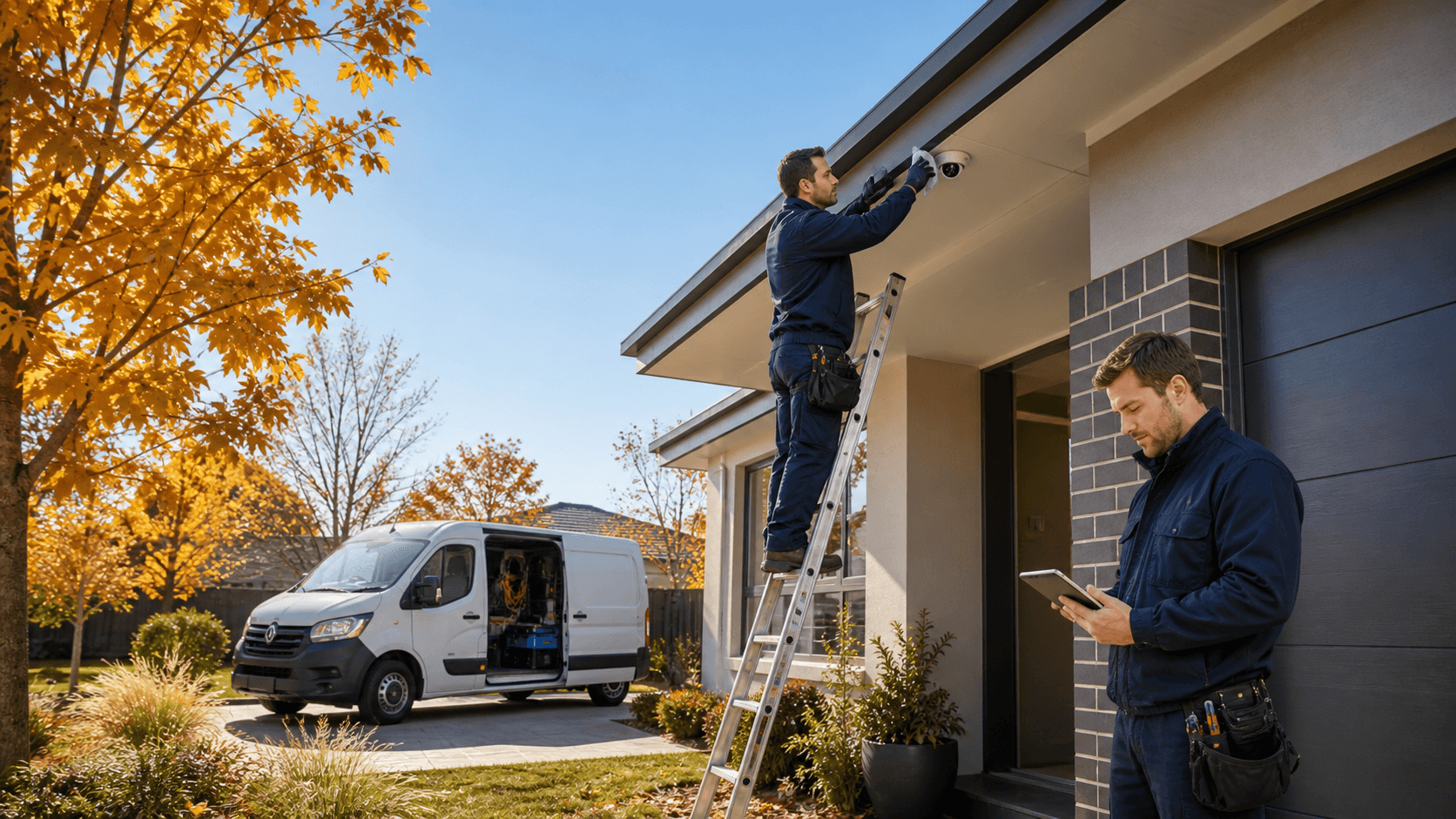
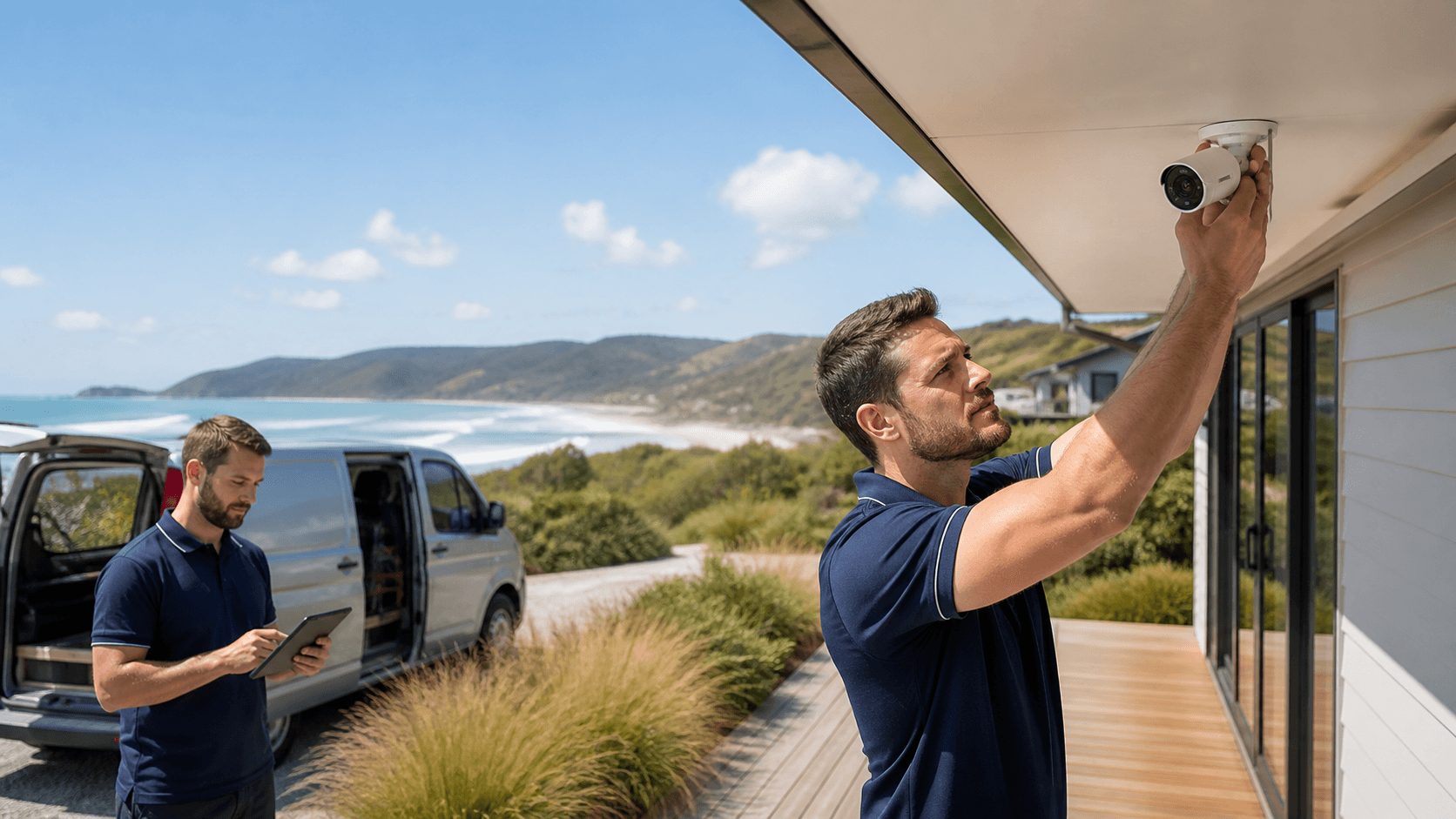
As a local team working across East Gippsland and the Latrobe Valley, we see this often with security camera installation in Gippsland. Below we walk through what the law generally says, how to avoid trouble with neighbours and how to set up CCTV so it protects your home without creating drama.
What the Law Says About Home Security Cameras
Private security cameras are common in Victoria and are generally allowed on your own property. You are usually free to record your front door, driveway and yard for personal or household use. Problems start when cameras clearly focus on places where other people expect privacy.
A key point is the difference between public and private areas:
- Public or semi-public areas can include the street, footpath, front nature strip and your front verge
- Private areas can include a neighbour's backyard, inside their windows and screened outdoor spaces
If a camera looks like it is aimed into a neighbour's bedroom window or over their high fence, that can raise legal and council concerns. Even if you are not interested in their yard, what the camera captures can matter if a dispute goes further.
Audio is often more sensitive than video. In many cases, recording private conversations without consent can breach listening device and surveillance laws. A camera with a built-in microphone sitting near a shared fence, picking up chats over the fence line, can create more risk than silent video.
When complaints reach council, police or a tribunal, they often look at whether your setup seems reasonable. Some things that may be considered are:
- Is the camera clearly aimed at your own access points?
- Could the same security goal be met with a different angle or lens?
- Is it obvious that you are not trying to watch your neighbour's private life?
Planning for reasonableness from the start is much easier than trying to defend a poor setup later.
Avoiding Neighbour Disputes Before They Start
Good communication can stop small worries turning into big arguments. If your new cameras will see shared areas, like a common driveway or back lane, a simple chat with neighbours can go a long way. Explain what you are trying to protect, such as cars, sheds or side access.
Practical steps that help keep the peace include:
- Mentioning where cameras will go before you install them
- Making it clear you are not interested in watching their family or guests
- Being open to small angle changes if something fairly bothers them
Smart design choices also matter. Point cameras at your doors, gates and paths, not straight across at the fence. Many modern systems let you use privacy masking, which blacks out parts of the picture, such as the yard next door or a neighbour's windows. This can prove you are taking their privacy seriously.
It can help to keep a simple note for yourself that shows:
- Why you installed the cameras, for example theft prevention or safety
- What each camera is meant to cover
- Any privacy settings or masking you have turned on
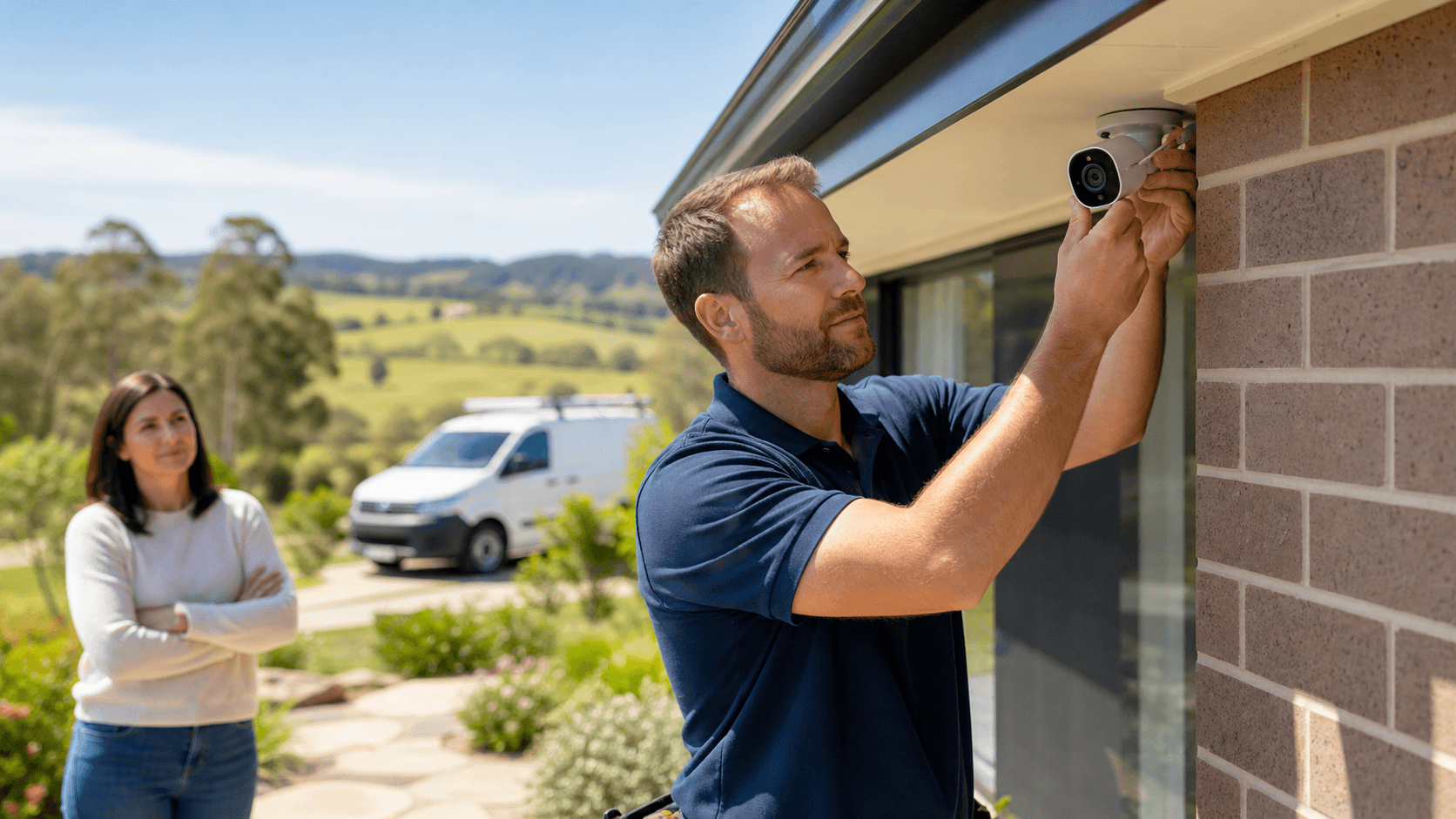
If questions come up months later, you can show that your goal has always been security, not spying. Professional installers can design coverage that focuses on your risks and avoids obvious problems before anyone complains.
Signage, Consent, and Recording on Your Property
Clear signs are not always legally required at home, but they are usually a smart idea. A small, easy-to-read sign at the front entry can:
- Act as a deterrent to anyone thinking about breaking in
- Let visitors know cameras are in use
- Help reduce the chance of a neighbour saying they were recorded in secret
Good signage does not need legal jargon. Plain wording often works best, such as stating that CCTV is in use and recording may be taking place, along with who controls the system, usually the homeowner or business.
Rules can be different when we move from a private home to a small business, even if it is still in a residential area. Business owners often have extra duties when recording staff, contractors or customers. Workplace rules and privacy law can affect:
- Where cameras can go in staff areas
- How long footage is kept
- How staff are told about recording
Indoor cameras, smart doorbells and audio recording need extra care. If you have an indoor camera in a living room where visitors or tradies walk through, a clear sign at the entry or a quick verbal mention can help them understand that security cameras or audio may be active. The same goes for smart doorbells that record both video and sound at the front step.
Best Practice Setup for Legal, Neighbour-Friendly CCTV
A thoughtful layout for security camera installation in Gippsland focuses on your own weak spots, not what is happening over the fence. For most homes, that means:
- Front door and main entry
- Driveway and car parking areas
- Side paths and gates
- Shed, workshop or back door
Perimeter coverage that follows your own fences and walls usually gives good security without staring into the patio next door. If a boundary is tight, a different lens or slightly higher mounting point can change the view enough to avoid direct shots into windows.
Technical settings make a big difference as well. Some easy wins include:
- Turning off audio recording unless you have a clear reason to keep it on
- Setting privacy zones to block out neighbour areas
- Tuning motion detection so passing cars and footpath traffic do not trigger constant recording
- Using strong, unique passwords so your system and footage stay secure
It is also worth checking your setup a few times a year. Trees grow, fences move, caravans and boats come and go. A camera that was fine last summer may now see more of the yard next door than you meant. Review short clips from each camera so you know exactly what is being captured.
If you are running other systems, like alarms, networking gear or a Starlink internet setup, it can make sense to plan them together with your CCTV. A stable network, safe remote access and clear coverage give better protection while still fitting with local expectations about privacy and neighbourly respect.
Take the Next Step to Secure Your Home Responsibly
As the busy holiday period approaches and more homes sit empty for weekends or longer trips, it is a good time to review your current or planned CCTV setup. A few small changes to angles, settings or signage can reduce risk, calm worries and keep relationships with neighbours smooth.
EastTech Solutions is a licensed local provider of security, CCTV, networking, Starlink and IT support across East Gippsland and the Latrobe Valley. With professional planning and installation, you can protect your home, respect privacy and feel more confident about how your system would be viewed if questions ever came up.
Protect Your Gippsland Property With Smarter Security Today
If you are ready to secure your home or business with reliable coverage, our team at EastTech Solutions can design and install a system tailored to your needs. Learn more about our security camera installation in Gippsland and how we integrate cameras, recording and remote access for total peace of mind. When you are prepared to move ahead or have questions about the right setup, simply contact us and we will walk you through your options.