Securing Gippsland Retail with CCTV That Actually Works
Retail in Gippsland is getting tougher on security. Shoplifting, after-hours break-ins, and vandalism put pressure on already tight margins, especially when it is dark early and staff are opening and closing in low light. Strong CCTV is no longer a nice extra. It is part of keeping the doors open and your team safe.
In this article, we walk through what makes business CCTV systems in Gippsland actually work in real shops, not just on paper. We look at why older setups are failing, which features matter, how to match systems to different store types, and the common mistakes that quietly cost retailers money and peace of mind.
Why Retailers Need CCTV That Truly Works
Many shops still rely on old cameras with grainy footage. They might tick a box for having a system, but they fall short when something goes wrong. If you cannot clearly see a face, a number plate, or what actually happened, the camera has not really helped.
Good CCTV can:
- Cut day-to-day theft and shrinkage
- Put off opportunistic offenders who spot visible cameras
- Give police useful, clear footage when an incident occurs
There is also the human side. Staff feel safer when they know cameras are watching entries, exits, and car parks during opens and closes. Clear recording of incidents can support safer lock-up routines in the dark, help keep proper records of threats, abuse or accidents, and strengthen workplace health and safety processes.
For many retailers, insurers expect decent CCTV for high-value or high-risk stock like:
- Electronics and appliances
- Farm and trade gear
- Tools and machinery
- Jewellery and watches
- Liquor and cigarettes
When claims need to be made, clear, time-stamped footage can make that process far smoother.
Key Features of Effective Retail CCTV Systems
Not all business CCTV systems in Gippsland are built the same. The right setup focuses on three main areas: coverage, reliability, and ease of use.
For coverage and clarity, you want:
- Cameras watching every entry and exit
- Focused views on point of sale, self-checkouts and service counters
- Aisle and display coverage for high-theft areas
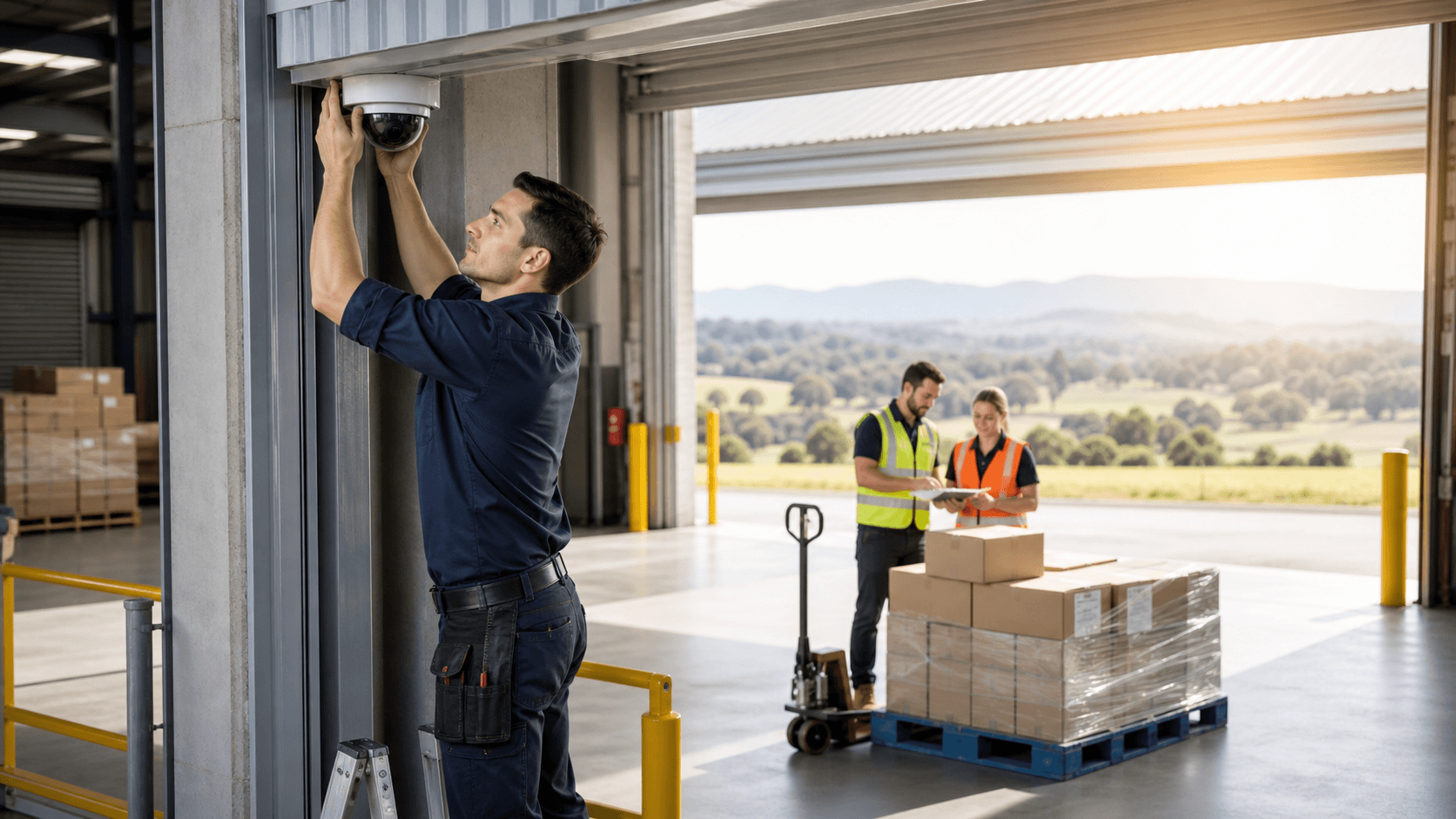
- Storeroom and loading dock monitoring
- High resolution video that actually shows faces and details
- Wide dynamic range performance for shopfronts with strong light changes
Reliability and storage are just as important as picture quality. A strong system should offer:
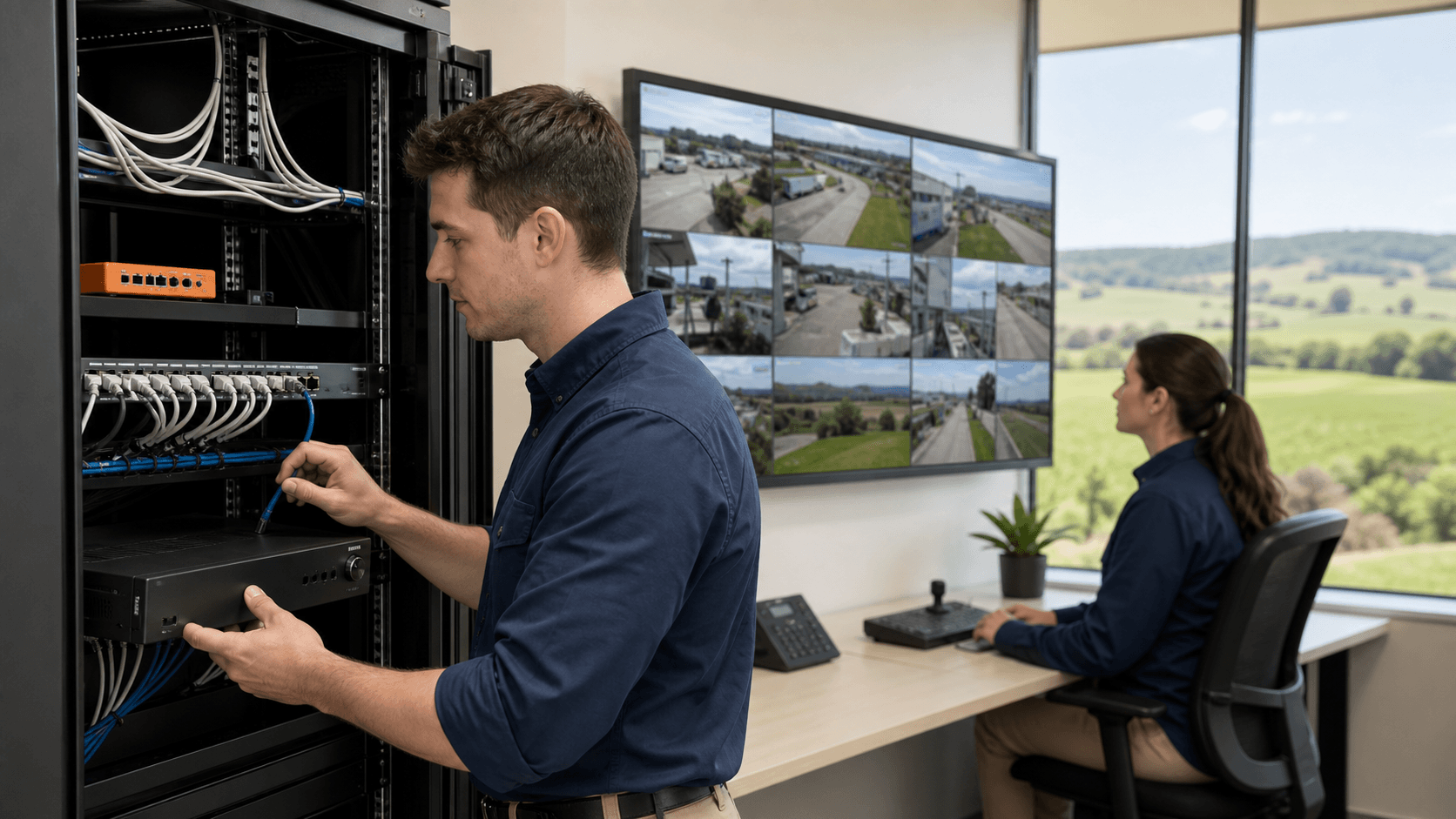
- A network video recorder sized for at least 30 days of footage
- Secure off-site or cloud backup for key cameras
- Battery or power protection so recording does not stop in an outage
- Smart handling of internet dropouts, so local recording keeps going
Ease of use is where many systems fall over. If staff cannot quickly find the right clip when something happens, the system becomes a headache. The goal is simple day-to-day operation for busy teams, while still keeping access secure.
- Simple search tools by time, date and camera
- Clear playback controls for fast review
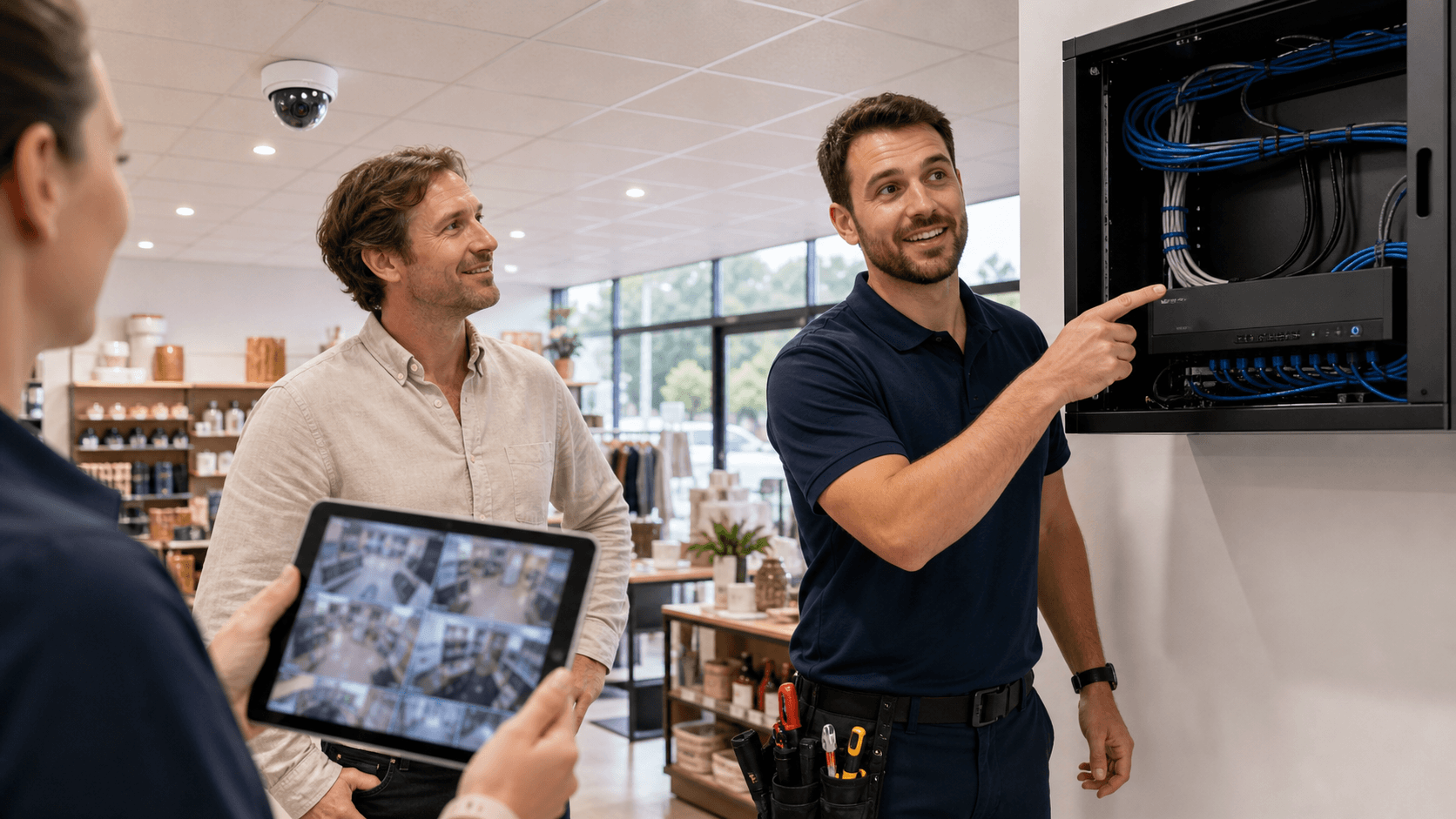
- Secure mobile and tablet access for owners and managers
- Motion alerts after-hours for doors, yards and back lanes
- User access controls so only trusted people can view or export footage
Matching CCTV to Different Gippsland Retail Stores
Shops across Traralgon, Sale, Bairnsdale, Lakes Entrance and the wider region all have different risks and layouts. One cookie-cutter setup rarely works, so the best approach is to match camera types, coverage and recording priorities to how the store actually runs.
For main street boutiques and cafes, the focus is often on blending security with a welcoming feel. That usually means using discreet cameras that still give clear views, building strong coverage of doors, counters and display tables, and monitoring outdoor seating and footpath trading areas. Placement also matters: cameras should be obvious enough to deter, without feeling harsh.
Service stations, bottle shops and supermarkets have a different set of needs. They often need:
- Reliable number plate coverage at entry and exit points
- Clear facial shots right at the door
- Cameras over every point of sale and self-checkout
- Integration with good lighting so night footage stays usable
- Coverage of cool rooms, back corridors and driveways
Regional and rural outlets like farm supply stores, nurseries and hardware shops have larger areas to protect. For these sites, it is worth focusing on:
- Weatherproof, dust-resistant cameras for yards and sheds
- Wide-angle coverage of open areas with stock kept outdoors
- Good zoom on gates, fuel tanks and high-value outdoor stock
- Reliable connectivity solutions where the internet is patchy
- Smart recording that saves bandwidth but still catches key events
Common CCTV Mistakes in Local Shops
Quite a few Gippsland retailers already have CCTV, but with small issues that add up to big gaps. The problems are often not obvious day to day, but they show up fast when an incident happens and the footage is unusable or incomplete.
Poor camera placement is one of the biggest causes of "technically installed, practically unhelpful" CCTV. Cameras are often mounted too high so you only see the tops of heads, pointed across bright windows (making faces too dark), or they miss key areas like POS, self-checkouts or popular theft shelves.
Cheap DIY or online kits can seem tempting, but they often bring:
- Weak night vision that turns faces into blurry shapes
- Questionable build quality and short lifespans
- No local support if something fails on a Friday afternoon
- Compatibility issues with Australian electrical and data standards
Set-and-forget systems are another common issue. Even good systems need some basic care, and problems arise when hard drives fill up and stop recording, passwords are never changed (risking unauthorised access), cameras slip or get bumped (leaving blind spots), or no one checks footage quality before peak trading periods. A small amount of regular attention keeps cameras working when you need them most.
Choosing a CCTV Partner That Understands Gippsland
For business CCTV systems in Gippsland, the installer matters as much as the hardware. A licensed, local security and IT provider brings knowledge of local retail layouts and traffic flows, common crime patterns in shopping strips and industrial areas, and practical camera positions that suit council and tenancy rules.
The best setups link CCTV with other systems so everything works together. That can include:
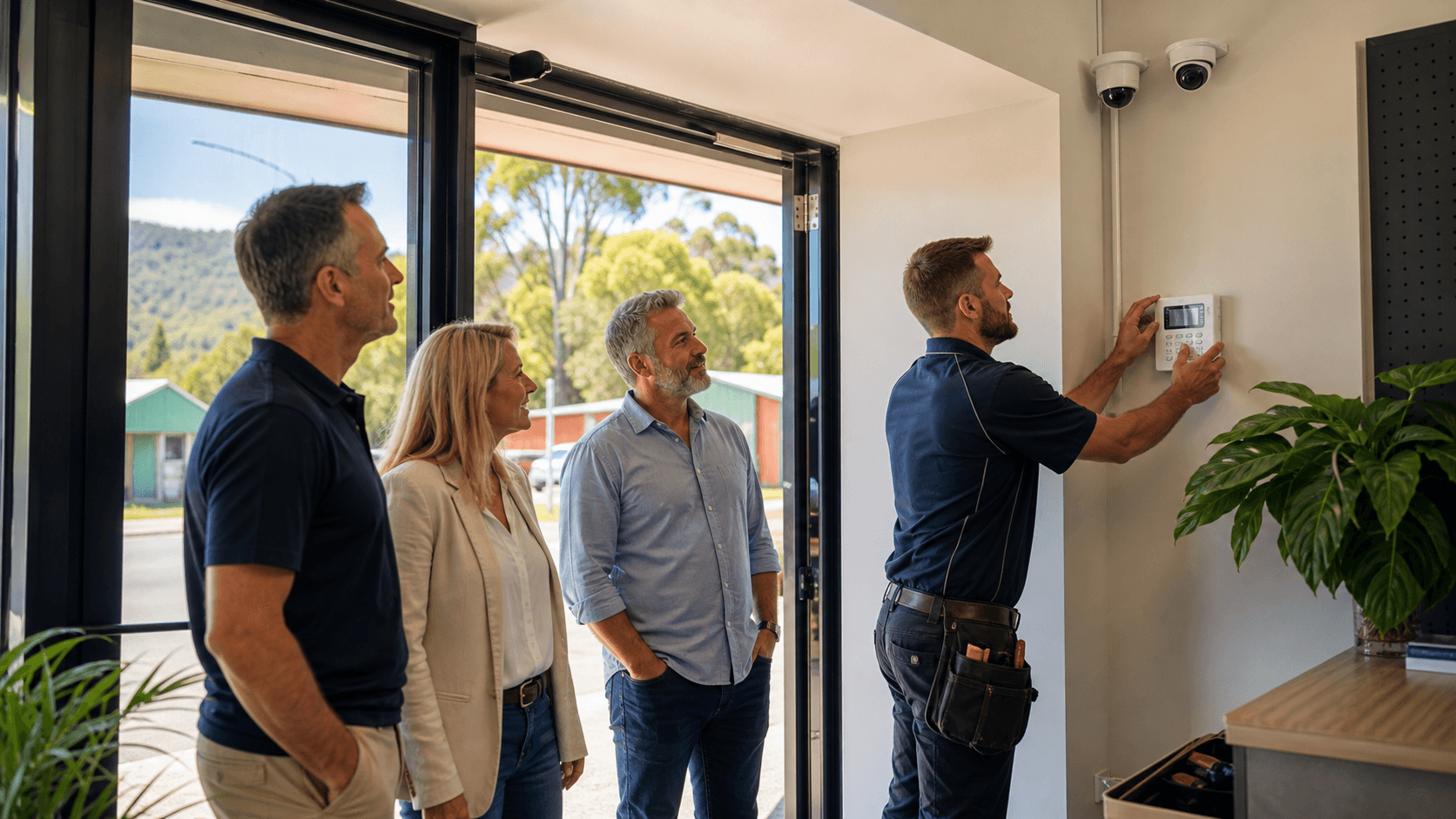
- Alarm systems that trigger recording flags and alerts
- Network connectivity that keeps remote viewing stable
- Secure remote access, so owners can quickly check on the store
With a professional installer, you can expect:
- An on-site security review that looks at blind spots and current gear
- Clear camera layout plans before any cabling starts
- Simple, friendly training for managers and key staff
- Ongoing help when stock layouts change, new areas open, or trading hours shift
Locking in a system that is carefully planned for your real-world conditions is the difference between having cameras and having security. When your CCTV is reliable, clear and easy to use, it becomes part of everyday retail life in a good way, protecting stock, supporting staff and backing up the hard work you put into your business.
Protect Your Business With Smart CCTV Solutions Today
If you are ready to improve site security and gain clearer visibility over your operations, we can help you design and install tailored business CCTV systems in Gippsland. At EastTech Solutions, we assess your premises, recommend suitable hardware and set everything up so it works smoothly for your team. Reach out to contact us and we will walk you through practical options, pricing and the next steps to get your system up and running.