Protecting Your Farm with Smart CCTV Camera Placement
Good CCTV on a farm is about much more than hanging a few cameras on shed walls. With rising theft, vandalism and biosecurity worries across Gippsland, you want clear footage that actually shows who was there, what they touched and where they went. That only happens when the cameras are planned around how your farm works day and night.
Short winter days, thick fog, long driveways and patchy mobile coverage all affect how a CCTV system will perform. A setup that suits a suburban house usually will not suit a mixed farm outside Bairnsdale or in the Latrobe Valley. A well-planned CCTV installation in Gippsland needs to be tailored to your sheds, yards and livestock areas, and to the weather and layout you deal with every day.
Planning CCTV Coverage Around Your Farm Layout
The best place to start is with a walk around your property and a basic site assessment. Focus on:
- Key access points like front gates, side tracks and laneways
- High-value assets such as machinery, tools, fuel and chemicals
- Areas where staff and contractors usually park or move around
- Blind spots where someone could approach unseen
From there, think about line of sight. Cameras need a clear view, so consider:
- Mounting height that covers the area without losing detail
- Angles that avoid rooflines, tree branches and parked gear
- Keeping cameras within realistic distance of what you want to see
Light is a big factor in Gippsland. Low winter sun can cause glare, fog can wash out cheap cameras and the early dark makes night performance important. Combining good cameras with sensor lights and infrared helps you see faces and number plates even when the weather is not kind.
Connectivity is the other key piece. Many farms need:
- Starlink or similar satellite for internet in more remote locations
- Long Wi-Fi links from the house or office out to sheds and yards
- Thoughtful placement of recorders in a dry, secure, easy to access spot
Planning this upfront means fewer dropouts and smoother remote viewing later.
Securing Sheds and Workshops with Strategic Camera Angles
Sheds and workshops usually hold some of the most expensive gear on the property. Prioritise:
- Entry and roller doors, from both inside and outside
- Side doors and windows that are easy to force
- Internal storage areas for tools, parts, welders and power equipment
Outside, place cameras so they cover the approach to the shed, including tracks, driveways and parking areas. Inside, you want at least one camera at about head height near the main entry so you get a clear face shot of anyone who walks in.
To avoid common mistakes:
- Do not mount every camera high on the roof where faces are tiny
- Avoid pointing directly at bright open doors or the low sun
- Do not rely on one camera to cover a big machinery shed from end to end
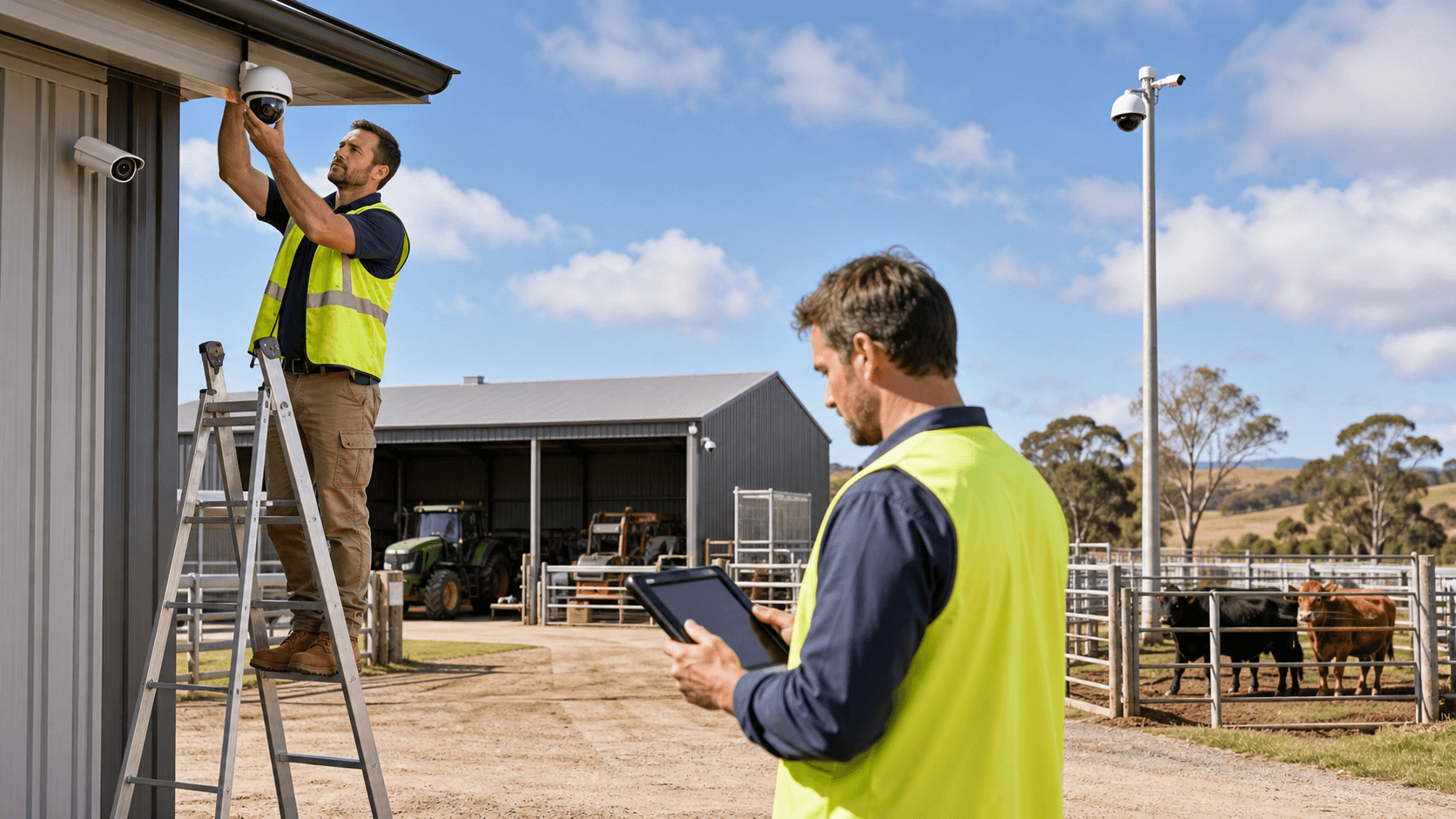
Sheds can be dusty, damp or corrosive, so cameras need to be weather rated and mounted solidly. In busy workshops, think about protection from knocks, for example where forklifts or loaders turn, and use tamper-resistant brackets so a thief cannot simply twist a camera out of view.
Watching Over Yards, Gates and Farm Perimeters
For many farms, problems start at the gate. Key spots for yard and perimeter coverage include:
- The main front gate and any side access tracks
- Loading ramps and stock yards near roads
- Fuel tanks, chemical stores and workshops near the house
- Car parks or regular parking spots for utes and trucks
Cameras set to watch vehicles coming and going should have a clear, angled view of number plates rather than looking straight at headlights. At night, pairing these cameras with good lighting is important so plates are readable and you can see what people are doing around vehicles.
To balance coverage and cost, it often works well to mix:
- Wide-angle cameras that give a general overview of yards or laneways
- Narrower field-of-view cameras aimed at gates, doors or fuel tanks for detail
- A few higher cameras for context, backed up by close cameras for identification
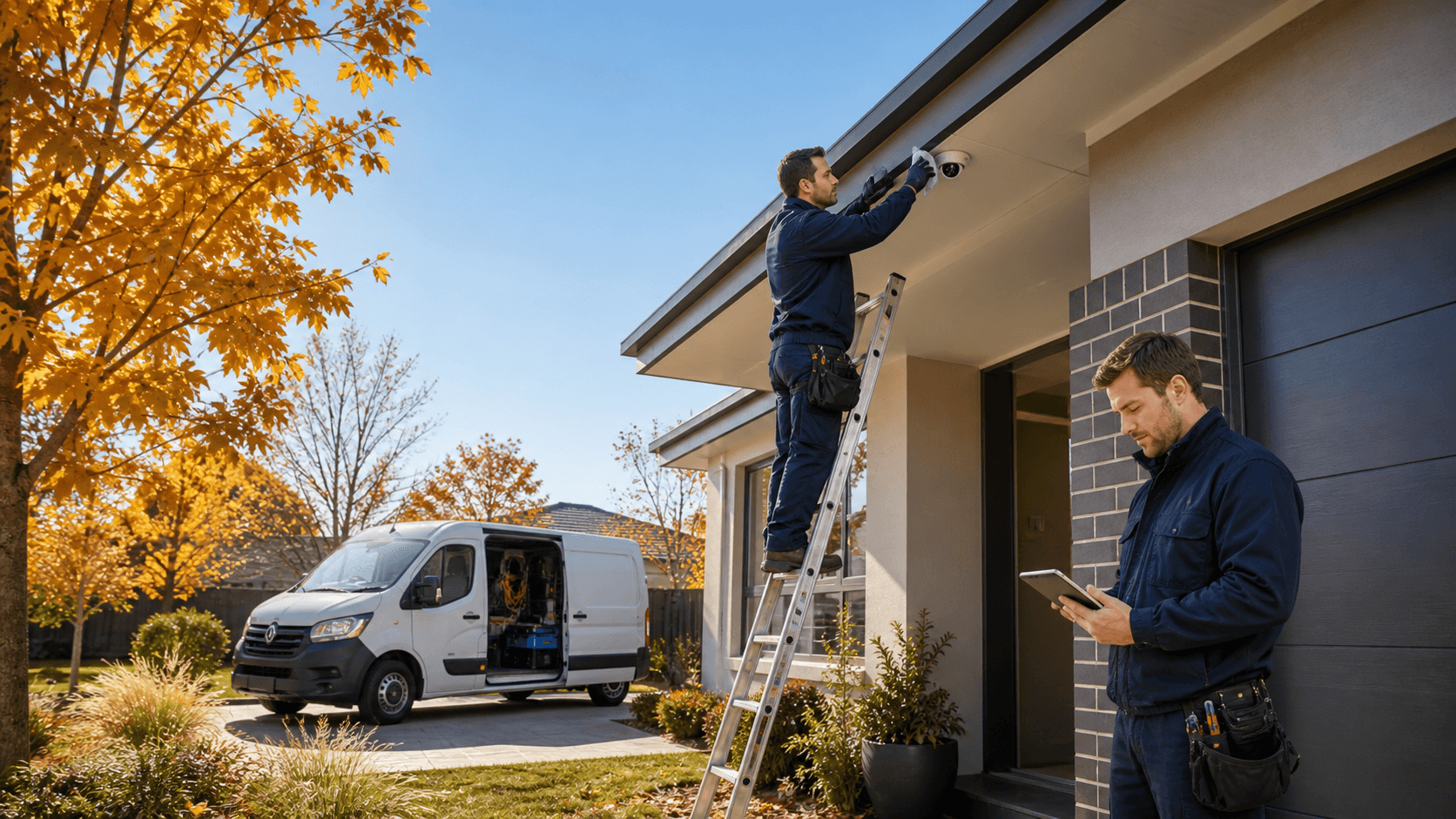
Professional CCTV installation in Gippsland can also tie cameras into alarms and smart notifications. With the right setup, you can check live footage from town, from home or while travelling so you do not arrive back to surprises.
Monitoring Livestock Areas Without Stressing Animals
Livestock areas can benefit a lot from CCTV, especially when the weather is rough and paddocks are soft. Priority zones often include:
- Calving and lambing paddocks and small night yards
- Dairy yards, feed pads and feedlots
- Stables, calf sheds and feed sheds
- Water points and troughs where animals gather
Cameras here help you keep an eye on births, spot sick or lame animals sooner and monitor predator activity after dark. This can cut down the number of physical checks needed late at night or in heavy rain, while still letting you react quickly when something looks wrong.
Placement tips that work well on farms:
- Use existing structures like yard posts, shed walls or light poles for height
- Aim for broad coverage without shining bright light into animals' eyes
- Choose low glare infrared cameras so night viewing does not spook stock
- Keep gear far enough away that curious animals cannot chew or rub against it
Remote paddocks bring power and connectivity challenges. Many farms solve this with solar-powered cameras and wireless links back to the house or office. Where internet is limited, Starlink or long-range Wi-Fi can bring those remote views into the main recording system.
Choosing the Right CCTV System for Gippsland Conditions
Once you have a rough plan of what you want to see, the next step is choosing suitable hardware. Common choices include:
- Wired cameras for stable, reliable links, especially around sheds and yards
- Wireless cameras where running cable is hard or ground is rocky
- Fixed cameras for set views, plus some PTZ cameras for zooming in on detail
Recording options usually include local network video recorders or cloud storage. Many farms use a mix, keeping main footage on site while still having key clips backed up off-site in case equipment is damaged or stolen.
Gippsland conditions are tough on gear. When planning your system, it helps to think about:
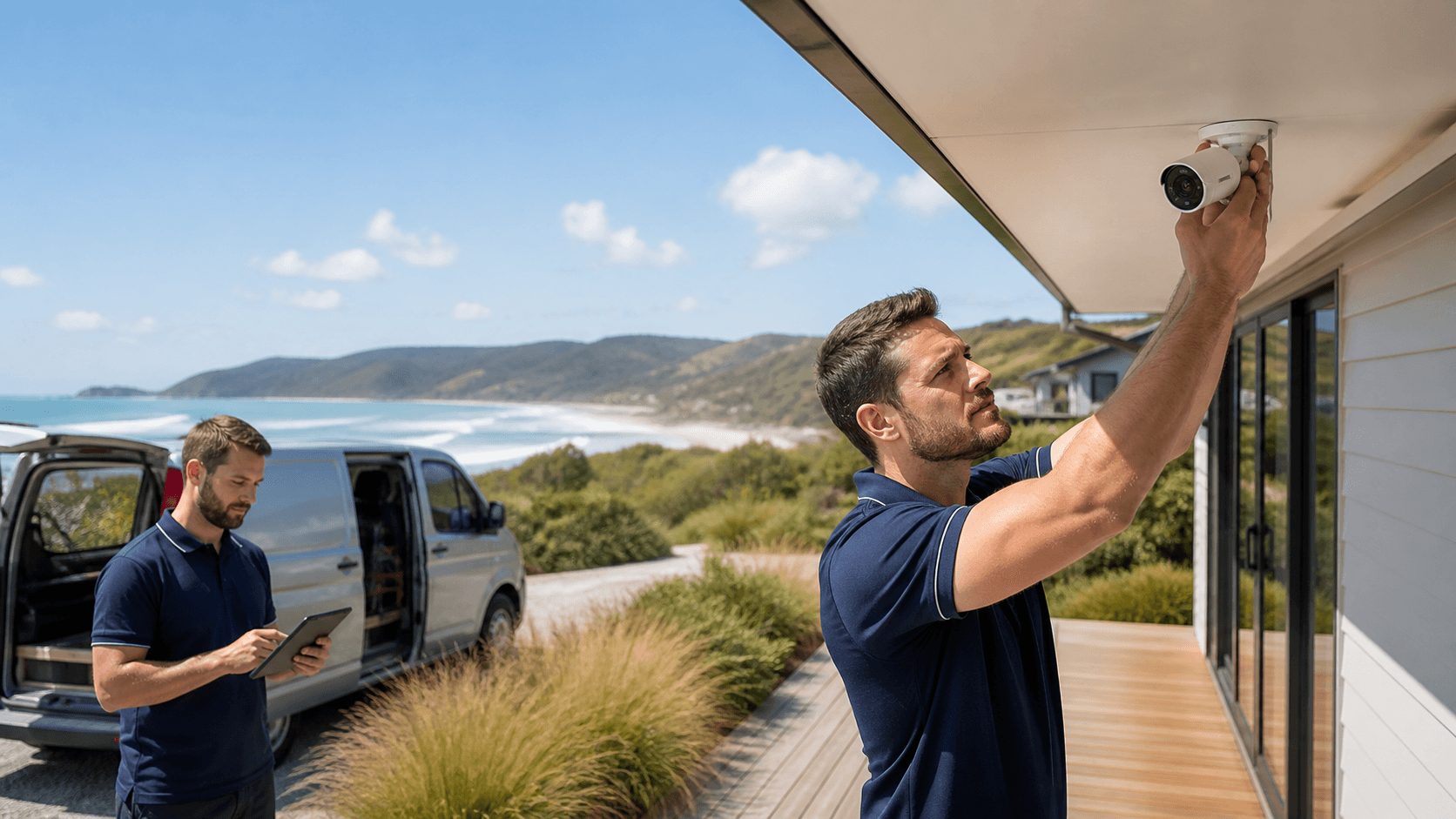
- Cameras and cabling that can handle damp winters and coastal air in East Gippsland
- Protective housings for dusty machinery sheds and workshops
- Strong low light and fog performance so footage stays useful in poor weather
Working with a licensed security and IT provider matters because it ties all of this together. Correct mounting and wiring, sound network setup, secure remote access and clear, simple controls mean everyone on the farm can actually use the system. It also lets your CCTV integrate cleanly with alarms, access control, farm Wi-Fi and ongoing IT support so the whole setup stays reliable through busy seasons.
Get Started With Your Project Today
If you are ready to secure your property with reliable, high quality coverage, our team can help you plan and install the right system from the ground up. Explore our CCTV installation in Gippsland services to see how we tailor solutions for homes, farms and businesses. Reach out to EastTech Solutions to discuss your site, and we will provide clear recommendations and a straightforward quote, or simply contact us to book an on-site assessment.