Secure Your New Gippsland Home From Day One
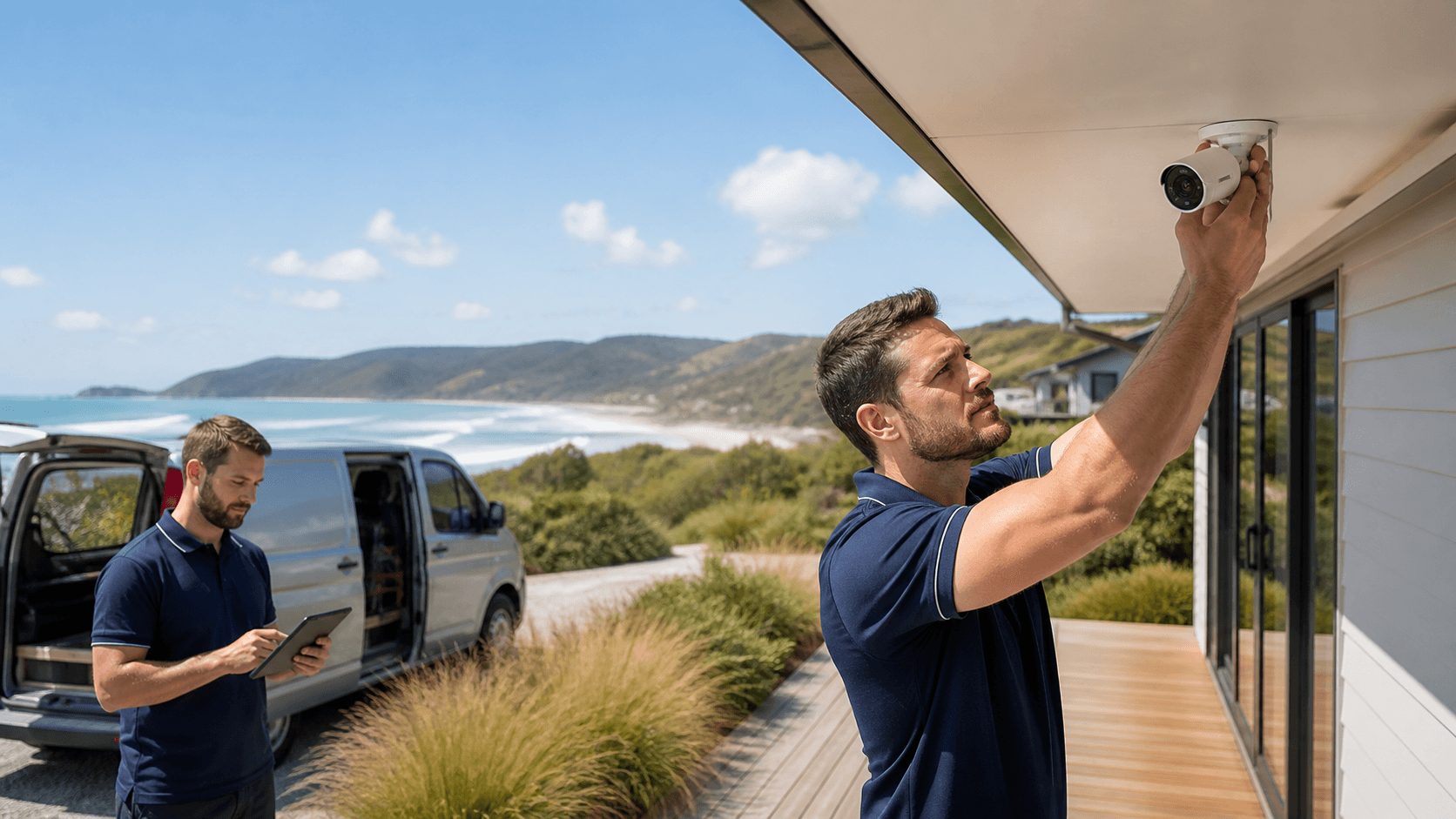
Planning CCTV installation in Gippsland while you are building your new home is one of the smartest security moves you can make. Regional areas like East Gippsland and the Latrobe Valley are great places to live, but they do see opportunistic theft, quiet streets, long driveways and homes that sit empty for days or weeks at a time. Getting eyes on your property from day one helps protect your investment and gives you peace of mind whether you are at work or away.
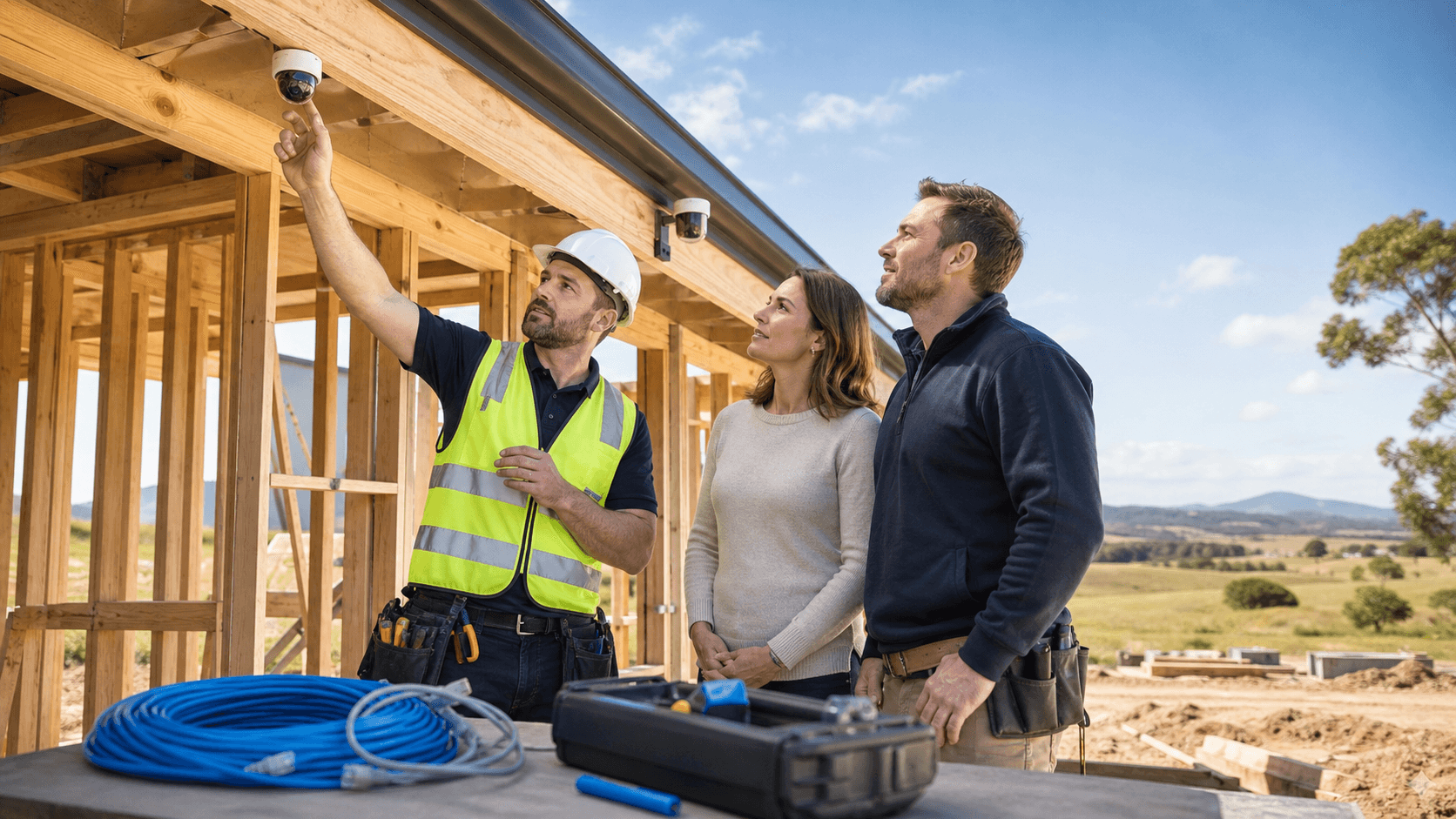
When cameras are planned during the design and build stages, you avoid messy retrofits, exposed conduit and awkward camera positions that miss important areas. Cables can run inside walls and ceilings, power points can go in the right spots and the system can be planned as part of your overall IT and security set-up. The end result is cleaner, stronger coverage that looks like it belongs in the home.
We work locally in East Gippsland and the Latrobe Valley, so we understand the mix of coastal weather, country winds and bush settings in this part of Victoria. In this article, we will walk through how to plan camera placement from your house plans, get cabling and networking right, choose cameras that suit Gippsland conditions and tie everything in with alarms, Starlink and IT so your new home is ready before handover.
Start Security Planning with Your House Plans
The best time to talk about CCTV installation in Gippsland is as soon as you have your architectural drawings. Waiting until the plaster is up means fewer options, more visible cabling and more work for everyone. When your installer can look at the plans early, they can spot easy ways to build security into the design rather than bolting it on at the end.
Common high-priority areas in new builds include:
- Front and back doors
- Garage doors and internal garage entry
- Side access paths and gates
- Driveways and parking areas
- Sheds, carports and workshops
- Kids play areas and outdoor living spaces
The way your home faces makes a big difference to how cameras perform. In Gippsland we see low winter sun, bright summer afternoons and long shadows across paddocks and streets. A camera looking straight into the afternoon sun can end up with washed-out video at the worst times of day. Early planning lets you:
- Avoid heavy glare on key angles
- Pick cameras with better low-light performance in shaded spots
- Set correct mounting heights to reduce shadows and blind spots
When camera locations are chosen from the start, the builder can include neat conduits inside walls, recessed data points and a central spot for the recorder and network gear. This keeps your home looking clean and modern, while still giving you solid coverage around the property.
Getting the Cabling and Networking Right First Time
Running network and power cabling while the frame is open is faster and less disruptive than cutting into walls later. Your CCTV installer can work in with your builder and electrician to get cables in place before insulation and plaster go on. That means less patching, no visible trunking on walls and a smoother build.
For a strong CCTV system you generally want:
- Quality Cat6 cabling to each camera point
- A central network cabinet or tidy mounting board
- A reliable router and network switch
- Space for future cameras, Wi-Fi access points or extra gear
A well-planned network is especially useful when you want to view cameras on your phone or laptop. Many Gippsland homes use NBN or Starlink, and a good installer can design the CCTV set-up so it works cleanly with the connection you have or are planning. That includes allowing for enough upload bandwidth to send alerts and live video when you are away.
It also makes sense to think about where the recorder, or NVR, and network gear will live. A few good options are a dedicated IT cupboard, a locked garage cabinet or a small room with power and ventilation. Keeping this gear out of sight and out of easy reach helps reduce tampering risk and keeps fan noise away from living areas.
Choosing Cameras Built for Gippsland Conditions
East Gippsland and the Latrobe Valley throw a bit of everything at outdoor gear. Coastal areas can have salt air and strong winds, inland spots see fog, frost and hot summer days, and many homes sit in or near bushfire-prone country. Cameras need to be built to handle these conditions year after year.
Things to look at when choosing cameras include:
- Weatherproof ratings for rain, wind and dust
- Vandal resistance if cameras are within easy reach
- Colour-at-night capability versus traditional infrared
- Wide-angle lenses for doorways and yards
- Varifocal or zoom lenses for long driveways or gates
Regional homes often deal with wildlife setting off motion alerts at night. Smart detection features can help reduce false alarms from pets, possums or birds so you only get notified when there is a good chance it is a person or vehicle.
Property type also matters. A small town block might only need a handful of fixed dome or turret cameras to watch entries and the yard. A lifestyle acreage or farm might call for a mix of fixed cameras around the house, plus one or more PTZ units to cover long driveways, back paddocks or machinery areas.
Local, licensed installers are used to common Gippsland issues such as spider webs across lenses, glare from corrugated roofs and verandahs that shake in strong winds. Planning for these from the start helps keep the picture clear and the system reliable.
Integrating CCTV With Alarms, Access, and IT
CCTV works best when it is part of a complete security and IT plan, not a stand-alone add-on. Many new homes now include alarms, door or window sensors, smart locks, intercoms and strong Wi-Fi from day one. When these pieces are designed to work together, life gets easier.
With an integrated system you can:
- Arm and disarm alarms from your phone
- Check camera views when an alarm is triggered
- Get alerts if a shed door is opened and review footage instantly
- Use intercoms and cameras together to screen visitors
For rural or remote properties in Gippsland, CCTV can also be linked with Wi-Fi and Starlink to connect sheds, workshops and outbuildings back to the main house. This allows you to keep an eye on gear, animals or storage areas even if they are some distance away.
Data security and privacy should always be part of the plan. That means using secure remote access methods, strong passwords, regular updates and reputable brands. A well-set-up system helps protect your footage from unwanted access and keeps your home and family information private.
Get Your New Home CCTV-Ready Before Handover
By the time you get the keys to your new Gippsland home, the hard work of planning should already be done. A simple pre-handover checklist helps make sure nothing is missed:
- Share final house plans with a licensed security installer
- Confirm camera locations and viewing angles around the property
- Lock in cabling runs for cameras, network and power
- Allow space for a network cabinet, NVR and power points
- Confirm how the system will connect to NBN or Starlink
Booking a site visit during framing or early fit-out lets an installer walk through the build, check views in person and work with your builder before things are locked in. This is especially handy in the busy late winter and spring building period, when schedules are tight and changes are harder to make.
At EastTech Solutions, we focus on CCTV, alarms, networking, Starlink and IT support for homes across East Gippsland and the Latrobe Valley. Careful planning during your build means your cameras, alarms and network start working for you from day one, giving your new home the protection it deserves right from the first night you move in.
Get Started With Your Project Today
If you are ready to improve security at your home, farm or business, we can design a system tailored to how you actually work and live. Explore our CCTV installation in Gippsland solutions to see how we can help you monitor what matters most. For personalised advice or to book a quote, simply contact us and the EastTech Solutions team will walk you through your options.